Availability varies — please call or email to confirm.
syn: Hydrangea Teller White
Hydrangea macrophylla Libelle
$10.00
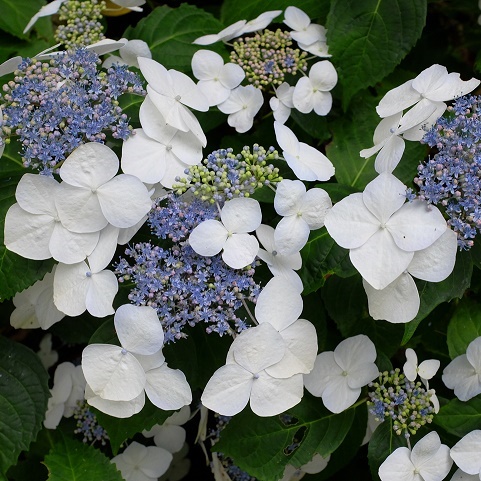
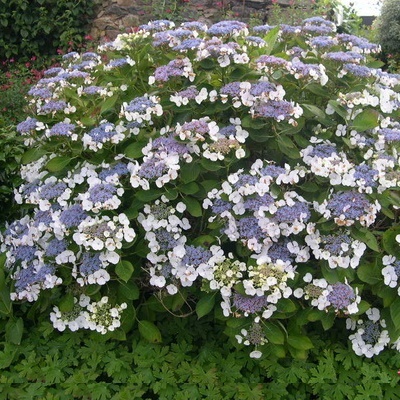
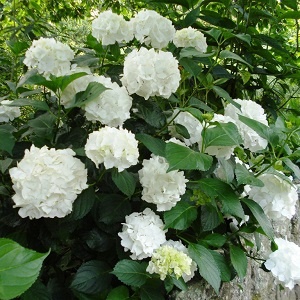
Hydrangea macrophylla ‘Libelle’, a lacecap hydrangea, is a deciduous shrub reaching 1-1.5 meters. It features large, flattened flower heads with pure white florets surrounding a center of smaller, dark blue-mauve flowers. The foliage is broad and green, and the shrub thrives in moist, well-drained soil in full sun to partial shade.
Hydrangea macrophylla ‘Libelle’, a deciduous shrub, is a popular choice for gardens due to its stunning lacecap flower clusters and attractive foliage. It thrives in partial shade and well-drained soil, making it suitable for a variety of garden settings.
Key Features:
Flowers: ‘Libelle’ is a lacecap hydrangea, meaning it produces large, flat flower heads with pure white sterile florets surrounding a center of tiny, dark blue to blue-mauve fertile flowers.
Foliage: The leaves are broad, green, and have serrated margins, providing a lush backdrop for the flowers.
Size: Typically reaches a mature height of 1.5 meters and a spread of 1.5 meters.
Hardiness: It’s a hardy shrub, able to withstand cold winter temperatures and drought conditions.
Soil Preference: Prefers moist, well-drained soil, and thrives in partial shade.
Hydrangea macrophylla ‘Libelle’ thrives in partial shade with moist, well-drained soil. It prefers a sheltered spot, especially in very hot climates, where full sun might be detrimental. In areas with mild winters, planting can be done from fall to early spring, while in colder areas, early spring or early fall is recommended.
Soil and Planting:
Soil:
‘Libelle’ prefers moist, well-drained soil. Incorporating organic matter like compost can improve soil fertility and drainage.
Planting Time:
Planting after autumn rains or in early spring is generally recommended, depending on the specific climate.
Raised Beds:
In areas with clay soil, planting in raised beds can improve drainage and prevent waterlogging.
Containers:
Hydrangeas are also suitable for large containers, especially if you’re growing them in areas with high heat.
Light and Watering:
Light:
‘Libelle’ tolerates full sun, but it is best in partial shade, particularly in hot climates.
Watering:
Consistent watering is essential, especially during dry periods, but avoid overwatering, as it can lead to root rot.