Availability varies — please call or email to confirm.
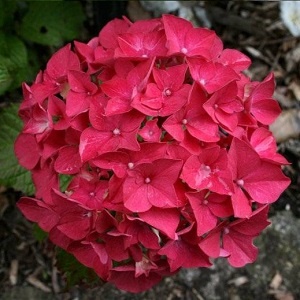
Hydrangea macrophylla Red Emperor
$10.00
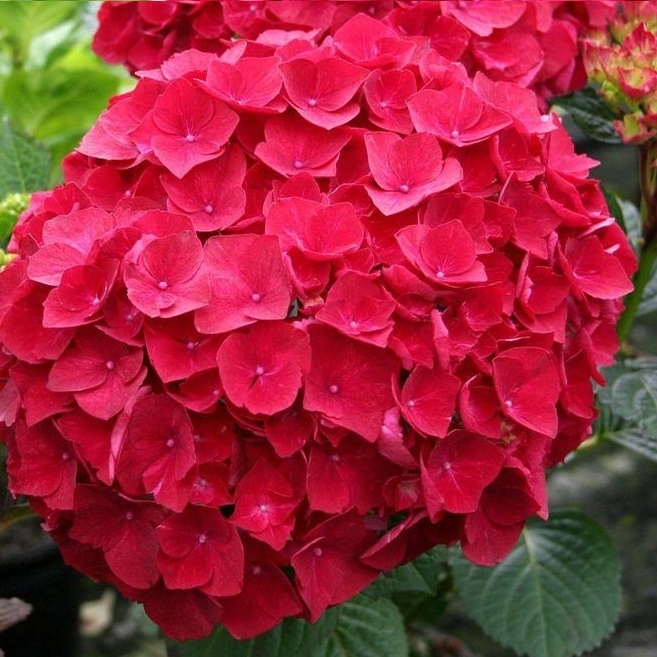
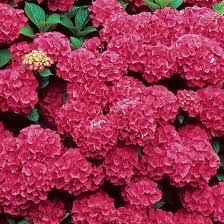
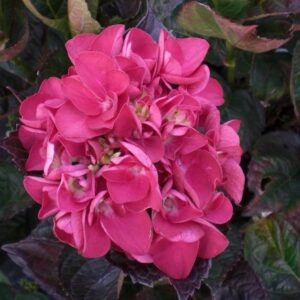
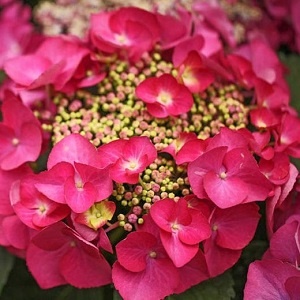
Hydrangea ‘Red Emperor’ is a popular shrub known for its vibrant red mophead flowers and dense, tidy growth habit. It thrives in well-drained, loamy soil and prefers partial shade, especially during the afternoon. This cultivar is particularly effective as a feature plant, screen, or in mass plantings, and its red blooms make it an excellent choice for cut flowers.
Hydrangea macrophylla ‘Red Emperor’ thrives in well-drained, moist soil with a pH between 5.5 and 7.0. It prefers partial to full sun, ideally receiving 4-6 hours of direct sunlight daily. For best results, plant in early spring, ensuring the plant is protected from the hot afternoon sun and strong winds.
Detailed Cultivation Tips:
Soil:
Well-drained, moist soil is essential. Amend the soil with organic matter like compost to improve drainage and fertility.
Sunlight:
Hydrangeas need partial to full sun, but avoid excessive afternoon sun which can scorch the flowers. Morning sun is generally preferred.
Watering:
Water regularly, especially in the first growing season, to help the roots establish. Keep the soil consistently moist, but avoid overwatering.
Fertilizing:
Feed hydrangeas in spring and late summer/early autumn with a fertilizer suitable for shrubs or acid-loving plants. Consider a fertilizer low in phosphorus and high in potassium to encourage blue flower color.
Mulching:
Mulch around the base of the plant with organic mulch like leaf mould or wood chips to retain moisture and suppress weeds.
Pruning:
Prune hydrangeas in late winter or early spring to remove dead or dying wood and encourage new growth.
Specific Considerations for ‘Red Emperor’:
Alkaline Soil:
‘Red Emperor’ is known for producing red flowers in alkaline soils. If you desire a red color, you may need to raise the pH of your soil.
Reddening Agents:
You can add reddening agents (e.g., lime) and potassium fertilizers to help intensify the red color of the flowers.
Soil pH:
The soil pH is crucial for flower color. A pH between 5.5 and 7.0 is generally ideal, but ‘Red Emperor’ may produce redder flowers in slightly more alkaline conditions.