Availability varies — please call or email to confirm.
Hydrangea macrophylla Sabrina
$10.00
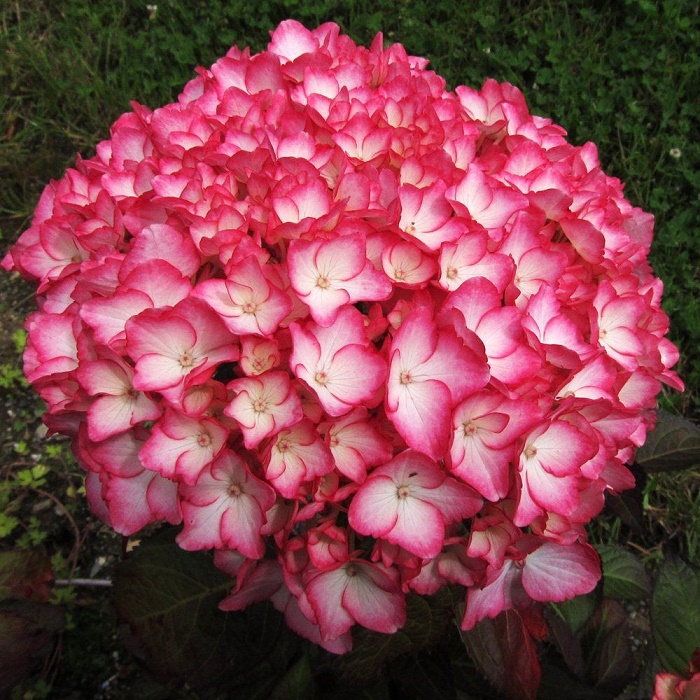
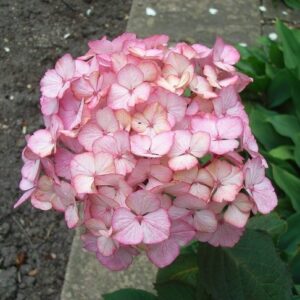
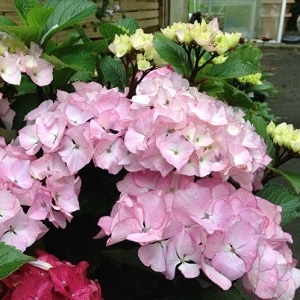
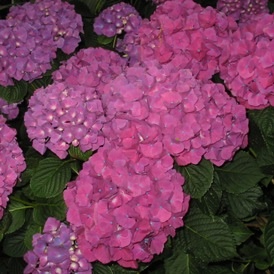
Hydrangea macrophylla ‘Sabrina’, a compact deciduous shrub, stands out with its eye-catching, bicolor blooms. These white flowers, edged with pinkish-red, emerge in dome-shaped clusters during summer. The plant also features broadly oval, serrated green leaves, which can be tinted red when young. ‘Sabrina’ is known for its neat, rounded form and its ability to thrive in part-shade with moist, well-drained soil.
Hydrangea ‘Sabrina’ thrives in a semi-shaded location with moist, well-drained soil. It’s a low-maintenance shrub that can be pruned for size and shape, with minimal care needed for pests or diseases.
Key Cultivation Tips:
Sunlight:
‘Sabrina’ prefers dappled shade or light shade, with morning sun and afternoon shade being ideal.
Soil:
It needs moist, well-drained soil. Adding organic matter like compost can improve drainage and soil health.
Watering:
Hydrangeas, including ‘Sabrina’, need consistent moisture, especially in the first year after planting and during hot, dry periods.
Fertilizing:
Apply slow-release fertilizers, like those formulated for roses, in spring and late summer/early autumn to promote flowering and lush foliage.
Pruning:
Prune ‘Sabrina’ annually to remove dead wood and thin out crowded stems, typically in late winter. Cut back 1/3 of the older stems to the ground level to improve vigor and flower production.
Pests and Diseases:
While generally easy to care for, hydrangeas can be susceptible to pests like aphids, mites, and thrips, and diseases like powdery mildew. Monitor for these and address them with appropriate treatments if necessary.
Planting ‘Sabrina’:
Timing: Plant in spring or autumn for optimal establishment.
Location: Choose a site with partial shade or dappled shade, and well-drained soil.
Hole Preparation: Dig a hole twice as wide and just as deep as the root ball.
Planting: Place the plant in the hole, backfill with soil, gently firm, and water well.
Mulching: Add a layer of mulch around the base to retain moisture.