Availability varies — please call or email to confirm.
syn: Manuka, Pink Flowering Tea Tee
Leptospermum Wiri Adrienne
$9.00
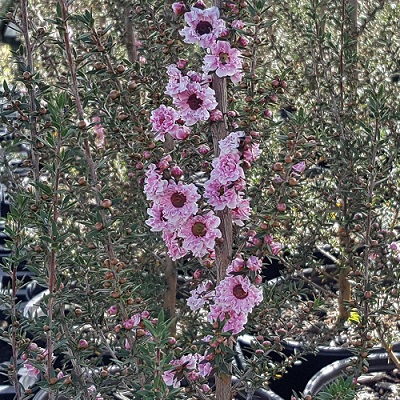
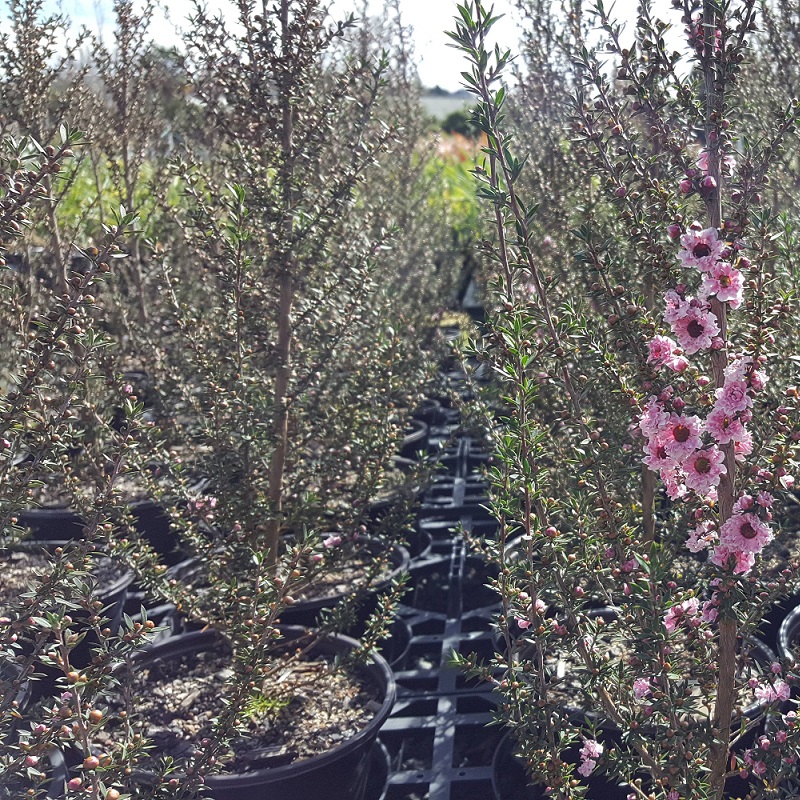
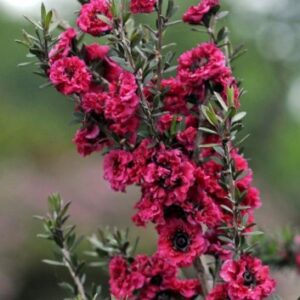
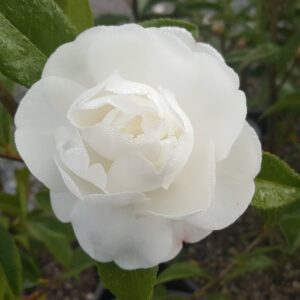
Leptospermum scoparium ‘Wiri Adrienne’, also known as the Manuka or Tea Tree, is a hardy, evergreen shrub prized for its attractive, double, pinkish-white flowers and aromatic, deep green foliage. It’s a medium-sized shrub with arching branches, reaching a height and spread of 1.5 to 2.5 meters. The plant is known for its long-lasting blooms, which are a magnet for pollinators like bees. ‘Wiri Adrienne’ is relatively low-maintenance, tolerates various conditions, and is suitable for coastal and mild climates.
Leptospermum scoparium ‘Wiri Adrienne’, also known as New Zealand Tea Tree ‘Wiri Adrianne’, is a compact, evergreen shrub prized for its double, pink and white-flecked flowers and aromatic foliage. It thrives in well-drained soil and full sun to part shade, requiring regular watering during establishment and becoming drought-hardy once established. Pruning after flowering helps maintain its shape and remove spent blooms.
Cultivation Details:
Sunlight: Full sun to part shade.
Soil: Well-drained, sandy or loamy soil with a pH between 6.0 and 7.0.
Watering: Water regularly while establishing; becomes drought-tolerant once established.
Fertilizing: Use a balanced slow-release fertilizer in early spring and mid-summer.
Pruning: Prune after flowering to remove spent blooms and maintain shape.
Hardiness: Hardy to USDA Zones 9a-11b.
Location: Suitable for garden beds, containers, gravel gardens, and coastal gardens.
Pests and Diseases: Generally pest-free, but may be susceptible to honey fungus in some areas.
Specific Considerations for Waikato:
Given the Waikato’s location and climate, Leptospermum ‘Wiri Adrienne’ should thrive. It is important to ensure good drainage, especially in the wetter months, to prevent root rot. Regular watering during dry periods is essential for young plants. The plant’s tolerance to wind and drought conditions makes it well-suited for the area.
Additional Notes:
‘Wiri Adrienne’ is a good choice for wildlife gardens, attracting bees and other pollinators.
The plant can be used for hedging or screening, and its compact size makes it suitable for smaller gardens or containers.
While generally hardy, it’s wise to protect young plants from very cold weather.