


-
Juvenile Form:
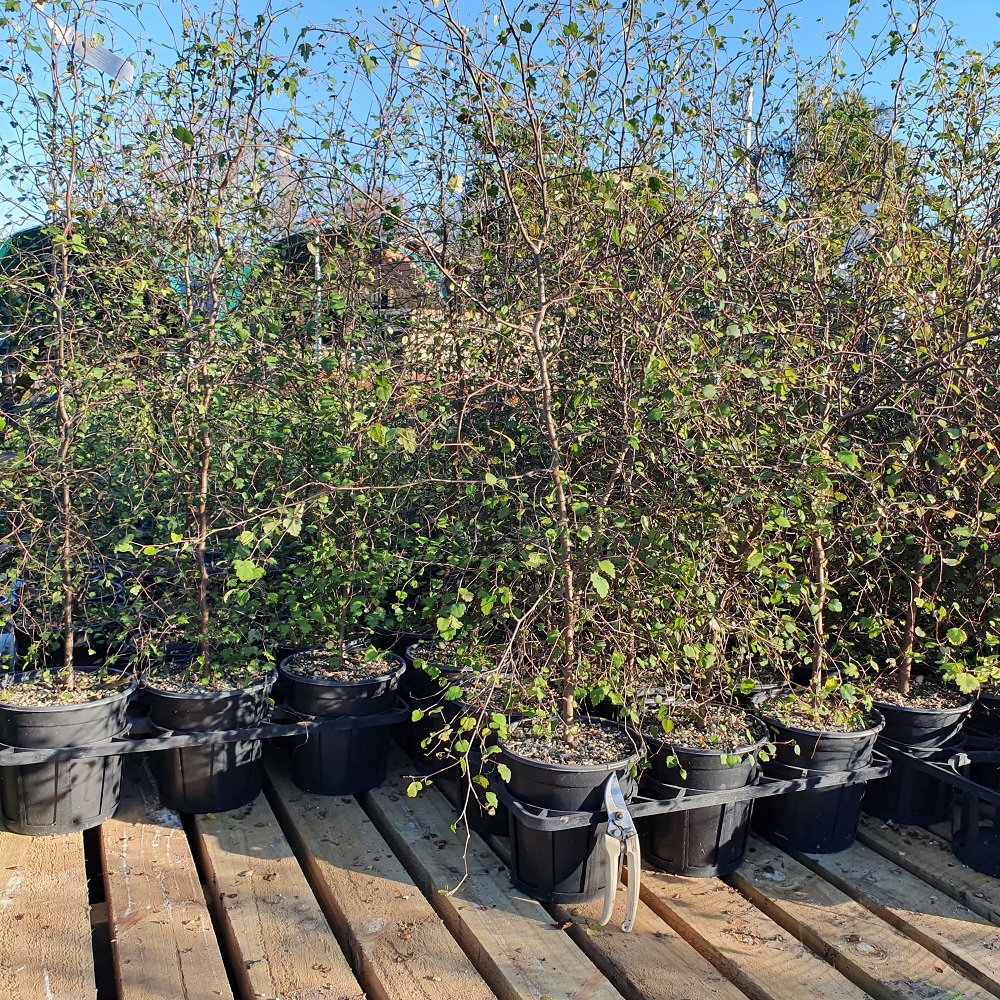
Young ribbonwood trees exhibit a divaricating growth habit, with interlacing branches and small, rounded leaves.
-
Mature Form:
As the tree matures, it develops a more rounded, open crown and larger, toothed leaves, often reminiscent of a birch tree.
-
Bark:
The bark is a notable feature, peeling off in thin, lace-like strips.
-
Flowers:
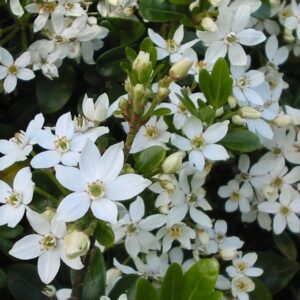
Ribbonwood produces small, yellowish-white flowers in large, terminal panicles in mid-spring. The flowers are typically unisexual, with male and female flowers on separate trees, though some trees may have a few bisexual flowers.
-
Fruit:
The fruit is a small, ovoid, creamy-colored, single-seeded capsule that splits open upon maturity.
-
Habitat:
Ribbonwood is found in lowland and coastal forests throughout New Zealand, often in areas with well-drained soil.
-
Ecological Role:
It’s a valuable component of native ecosystems, providing habitat and food for various species.
-
Cultivation:
Ribbonwood is relatively easy to grow, tolerating a range of conditions, including full sun and some shade, and is known for its wind tolerance. It thrives in well-drained, fertile soil.
-
Uses:The strong, flax-like fiber from the bark was historically used for tying, and the tree is also valued for its ornamental qualities and ability to provide shelter.
Last Updated on September 23, 2025 by admin