
Payless Plants

syn: Dianella nigra, NZ Blueberry Grass, Turutu

Dianella intermedia

$8.00

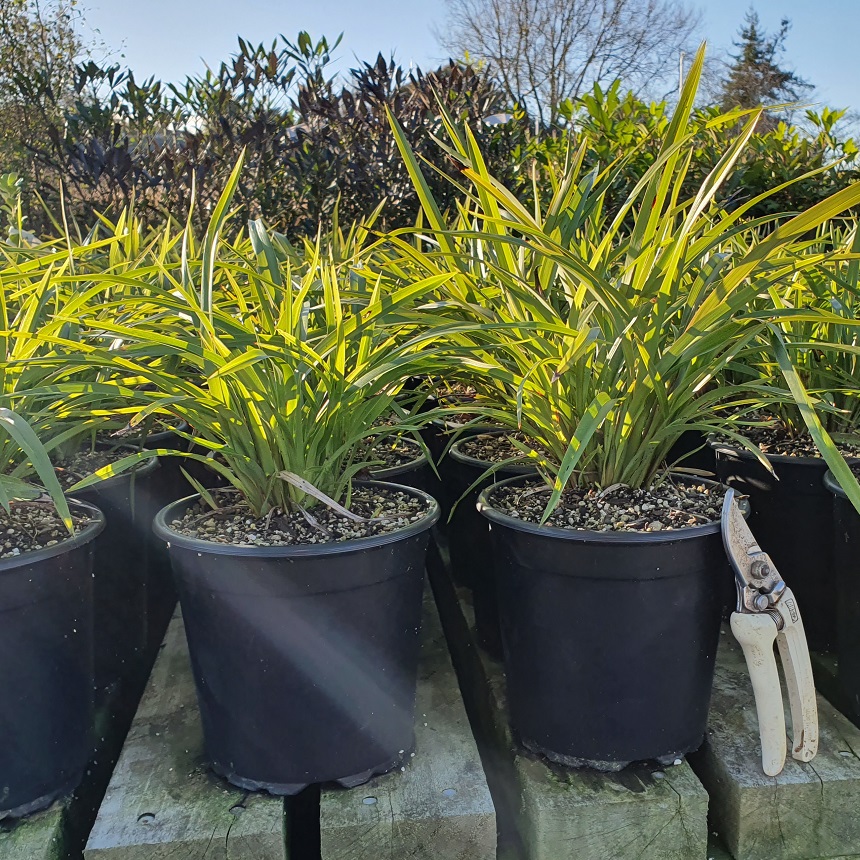
Dianella intermedia, commonly known as Turutu, is an evergreen, drought-tolerant perennial native to Lord Howe and Norfolk Islands. It features strap-like, mid-green leaves, reaching about 50cm in height and width. Small, pale violet flowers appear in summer, followed by attractive, deep purple berries on 40-50cm stems. It’s a hardy plant, tolerant of dry periods, moderate frost, cool climates, some wind, heavy soils, and coastal environments.

Payless Plants
Detailed Description:
  • Appearance:

    Dianella intermedia is an herbaceous perennial, meaning it has non-woody stems that die back in winter but regrow from the base. It’s often described as having a grass-like or flax-like appearance due to its long, narrow, and strap-like leaves. 

  • Foliage:

    The leaves are typically mid-green and form clumps or tufts. Some cultivars, like ‘Margaret Pringle’, may have variegated leaves with white margins. 

  • Flowers:

    In summer, it produces spikes of small, delicate, pale violet or violet-blue flowers. 

  • Berries:

    Following the flowers, it produces bright blue or deep purple berries, which are quite showy and attractive. These berries are borne on 40-50cm stems. 

  • Size:

    It generally grows to about 50cm in height and width, but some varieties like ‘Little Rev’ might be smaller, around 30-40cm. 

  • Habit:

    It forms clumps or colonies, spreading through rhizomes (underground stems). 

  • Hardiness:

    Dianella intermedia is a hardy plant, tolerant of dry conditions, moderate frost, and coastal environments. It prefers well-drained soil but can adapt to various soil types. 

  • Uses:

    It’s commonly used in mass plantings for groundcover, in borders, as an accent plant, or planted around features like water features or large trees. It can also be used in cottage gardens or around pool areas. 

  • Light:

    It thrives in full sun to moderate shade. 

  • Native:

    It’s native to Lord Howe Island and Norfolk Island, belonging to the Asphodelaceae family. 

  • Distinction from other Dianella species:
    While many Dianella species have edible berries, Dianella intermedia berries are considered toxic and should not be consumed. 

Last Updated on September 23, 2025 by admin

Loading

Cultivation Guide

Dianella intermedia, also known as Turutu, is a New Zealand native plant cultivated for its attractive foliage and berries. It thrives in well-drained soil, tolerates a range of conditions including full sun to part shade, drought, and coastal environments, and is relatively low maintenance. 

Cultivation Details:
  • Sunlight: Dianella intermedia prefers full sun to part shade. 
  • Soil: Well-drained soil is crucial for healthy growth. 
  • Watering: While drought-tolerant once established, regular watering is recommended during the initial establishment period. 
  • Fertilizing: Established plants benefit from spring fertilization with compost or manure, especially in poor soils. 
  • Pruning: Minimal pruning is needed. Remove dead foliage and spent flower stems to maintain a tidy appearance. 
  • Propagation: Dianella intermedia can be propagated by seed or division of established plants. 
  • Planting Time: Spring or autumn are ideal times for planting. 
  • Spacing: When planting in groups, space plants appropriately to allow for growth and spread. 
Specifics for Dianella intermedia:
  • It’s a hardy plant, tolerant of dry periods, moderate frost, cool climates, and some wind. 
  • It can be mass planted as groundcover, used in borders, or planted around trees and water features. 
  • The blue berries that develop after flowering add ornamental value. 
  • It can be used for weed control, especially in areas prone to trampling. 

Last Updated on September 23, 2025 by admin
Loading

Unit

2.5 Litre HP

Grade

200mm

Annual Production

300

Supplier

Payless Plants

Comment

Available stock can vary, all the way down to none available, depending on sales demand and where we are in the production cycle.

Shopping Cart
Scroll to Top