
Payless Plants

syn: Cut-leaf Mint-bush, Native Thyme(Australia)

Prostanthera incisa Roseus

$10.00

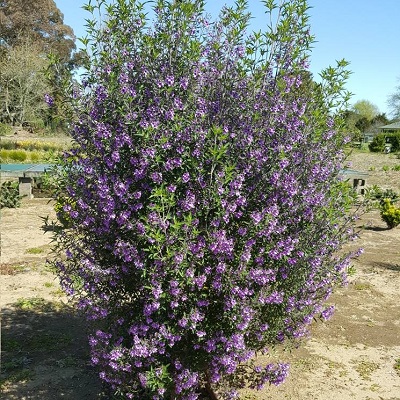
Prostanthera incisa Roseus, also known as the Cut-leaf Mint-bush or Native Thyme, is a bushy, evergreen shrub with aromatic, small, glossy green leaves and masses of lilac-purple flowers in spring. It’s known for its minty scent, which is released when the leaves are crushed or brushed against. This shrub is native to rocky mountain tops of Eastern Australia and is popular for its ornamental value and culinary uses. 

Payless Plants
Detailed Description:
  • Growth Habit:

    Prostanthera incisa Roseus is a medium-sized, evergreen shrub that typically grows to 1.5m tall and wide, but can be pruned to maintain a smaller size. It’s known for its bushy, rounded form. 

  • Foliage:

    The leaves are small, round, and glossy green, densely packed on the stems. They are highly aromatic, emitting a minty fragrance when touched or crushed. The leaves are also described as having a mild minty aroma when crushed or brushed past. 

  • Flowers:

    The shrub produces masses of small, lilac-purple flowers in spring. The flowers are attractive to native bees and beneficial insects. 

  • Aroma:

    The plant’s aromatic foliage is a key feature, with a distinctive minty fragrance. 

  • Habitat and Distribution:

    Prostanthera incisa is native to Eastern Australia, found in NSW and extending to Victoria and Queensland. It typically grows in rocky mountain tops, sheltered rainforest margins, and beneath sclerophyll forest trees. 

  • Cultivation:

    This shrub prefers well-drained soil and tolerates both full sun and semi-shade. It’s best planted in a location that allows for its aromatic foliage to be enjoyed, such as near paths, borders, or windows. Pruning after flowering helps maintain its shape and promotes bushier growth. 

  • Culinary Uses:

    The leaves and flowers of Prostanthera incisa are edible and can be used fresh or dried to add a minty flavor to various dishes, including meats, poultry, fish, vegetables, soups, stews, and sauces. The flowers can also be used to garnish dishes or make sweet syrup or jelly. 

Last Updated on September 23, 2025 by admin

Loading

Cultivation Guide

Prostanthera incisa ‘Roseus’, also known as the rose-pink form of native sage, is a relatively easy plant to cultivate, especially in well-drained soil and full sun. It’s a mintbush, related to the mint family, and is known for its fragrant leaves and flowers. The plant can be pruned to maintain shape and encourage new growth, and it can be propagated from cuttings or seeds. 

Here’s a more detailed look at its cultivation:

Light and Soil: Requires full sun for optimal growth, Prefers well-drained soil, and Can tolerate radiated heat from a wall. 

Watering: 

  • Avoid overwatering, especially during cooler periods.
  • A sandy mulch can help retain moisture and regulate temperature.
Pruning:
  • Regular pruning and tip pruning will help maintain a compact shape and encourage flowering. 
  • Lightly prune after flowering to promote new growth and more flowers. 

Uses: 

  • The leaves and flowers can be used as a culinary herb, though it’s not a true thyme despite its common name “native thyme”.
  • Grown in pots or in the ground.
Other Considerations:
  • It can grow to about a meter high. 
  • Handles both cold winters and hot Australian summers. 
  • Some Prostanthera species are known to be toxic to animals, but the edibility of ‘Roseus’ is not specified. 

Last Updated on September 23, 2025 by admin

Loading

Unit

3.5 litre HP

Grade

800mm-1m

Annual Production

200

Supplier

Payless Plants

Comment

Available stock can vary, all the way down to none available, depending on sales demand and where we are in the production cycle.

Shopping Cart
Scroll to Top