
Payless Plants

syn: evergreen candytuft, perennial candytuft.

Iberis sempervirens

$8.00

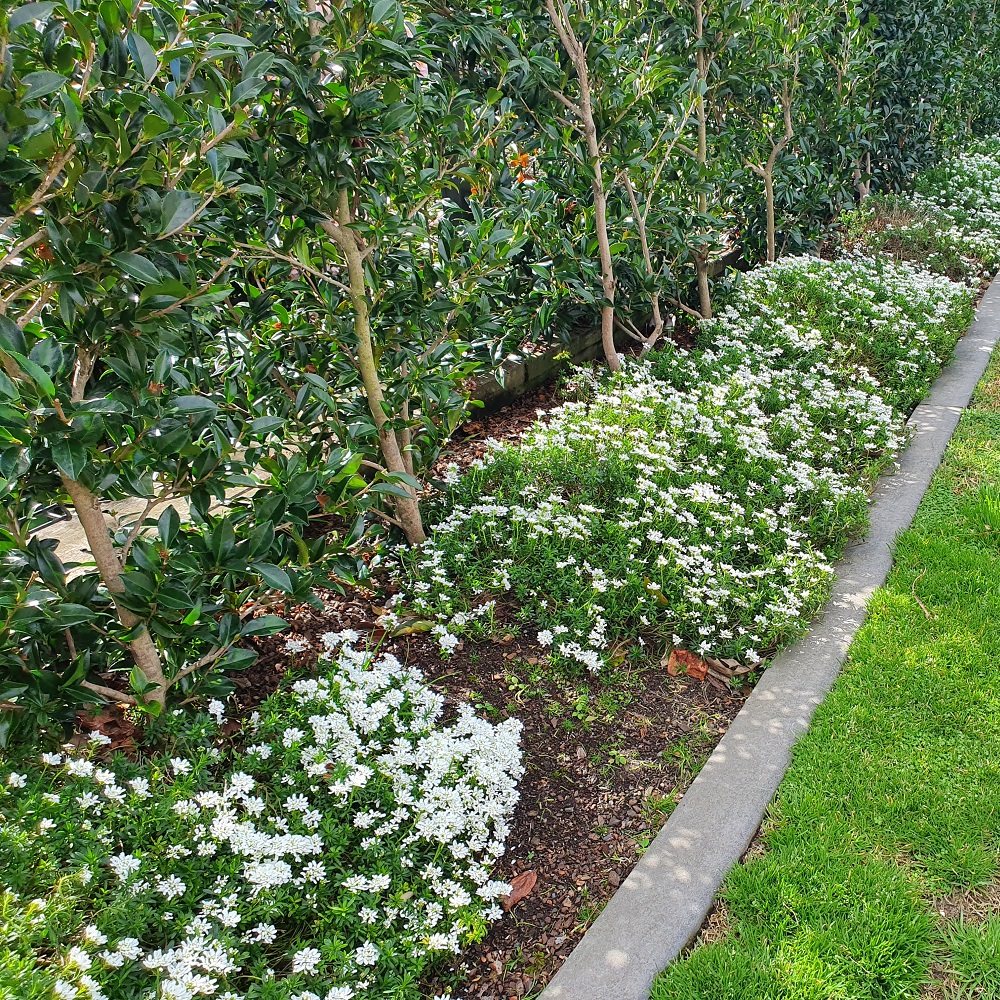
Iberis sempervirens, commonly known as Evergreen Candytuft or Perennial Candytuft, is a low-growing, spreading, evergreen perennial or sub-shrub native to southern Europe. It’s characterized by its dense, dark green foliage and profuse clusters of small, white, four-petaled flowers that bloom in late spring and early summer. This plant is a popular choice for borders, rock gardens, and groundcover due to its attractive appearance and relatively low maintenance needs. 

Payless Plants
Description:
  • Habit: Forms a low, spreading mound, typically 6-12 inches tall and 18 inches or more wide. 
  • Foliage: Evergreen, with narrow, dark green, leathery leaves. 
  • Flowers: Small, white, four-petaled flowers that bloom in dense clusters, often covering the foliage. 
  • Bloom Time: Late spring to early summer. 
  • Other: Has a woody base, and can be considered a sub-shrub. 
Uses:
  • Edging: Effective for edging borders, paths, and walkways. 
  • Rock Gardens: Adds a touch of white to rock gardens and slopes. 
  • Groundcover: Can be used as a groundcover in small areas. 
  • Containers: Suitable for growing in containers, particularly on patios and balconies. 

Last Updated on September 23, 2025 by admin

Loading

Cultivation Guide

  • Light: Thrives in full sun but can tolerate part shade. 
  • Soil: Prefers well-drained soil, tolerates poor soils but is intolerant of wet or poorly drained soils. 
  • Watering: Water regularly after planting until established, then it becomes drought-tolerant. 
  • Hardiness: Generally hardy to USDA zone 3-9. 
  • Maintenance: Can be trimmed back after flowering to maintain shape and promote bushier growth. Can be propagated by seeds, cuttings, or division. 

Last Updated on September 23, 2025 by admin

Loading

Unit

2.5 Litre HP

Grade

100mm

Annual Production

200

Supplier

Payless Plants

Comment

Available stock can vary, all the way down to none available, depending on sales demand and where we are in the production cycle.

Shopping Cart
Scroll to Top