Availability varies — please call or email to confirm.
syn: Tractor Seat Plant, Cremanthodium reniforme
Ligularia reniformis
$10.00
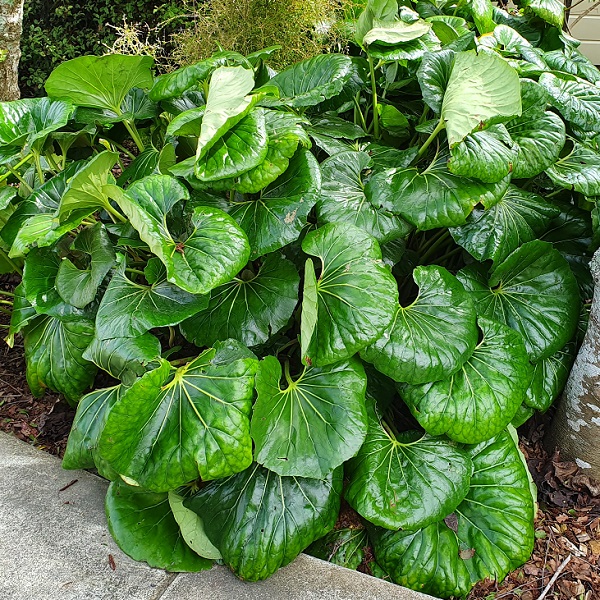
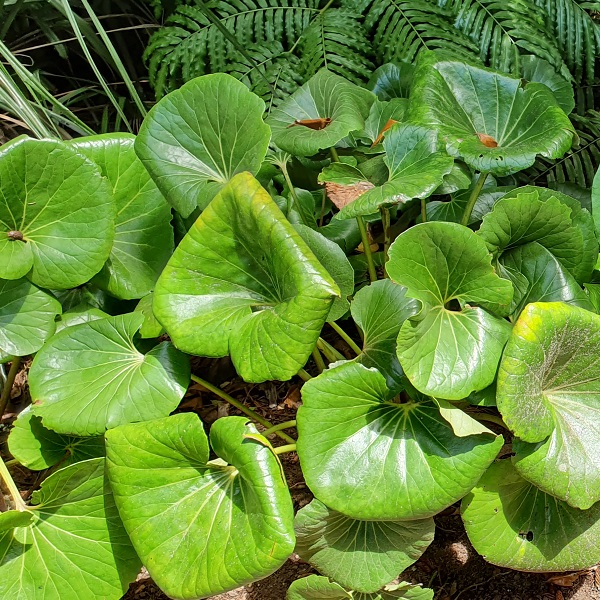
Ligularia reniformis is an evergreen perennial known for its large, glossy, kidney-shaped leaves and dramatic, tropical appearance. Native to China and Japan, it is a popular architectural plant for adding texture and boldness to gardens.
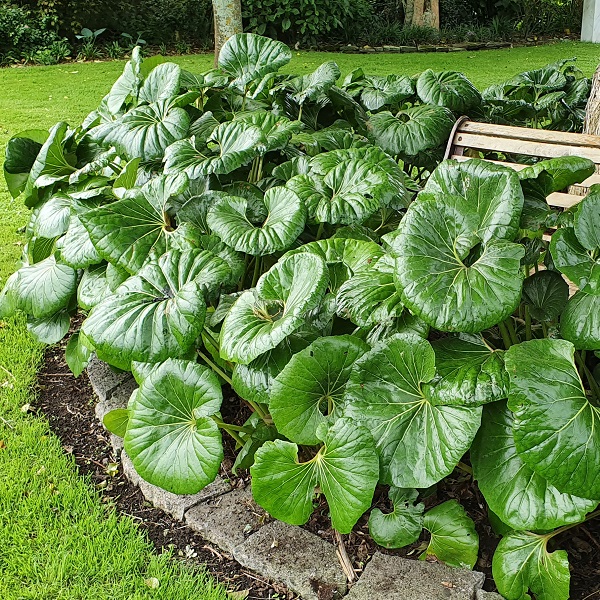
Foliage: The most striking feature of L. reniformis is its dense clump of foliage. The leaves are huge (up to 45 cm in diameter), rounded, and have a rich, deep green, glossy finish. The foliage is thick, leathery, and often described as having a bold, architectural presence. In some varieties, the leaves may have a bronze or burgundy tint.
Flowers: In mid-to-late summer, tall, slender stems emerge above the leaves, bearing bright yellow or orange, daisy-like flowers. The blooms attract pollinators like bees.
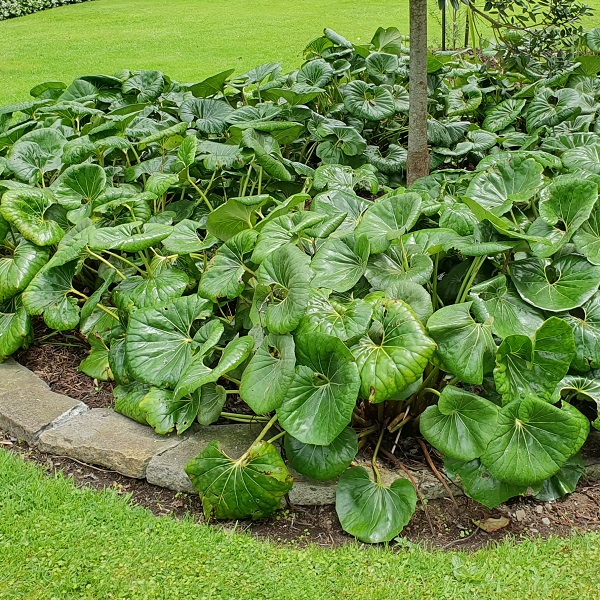
Size: This robust perennial typically grows to a height and width of around 1–1.5 meters.
Growth habit: Ligularia reniformis spreads through rhizomes, forming a dense clump over time. The rate of spread depends on the soil and growing conditions.
Light: Prefers partial to full shade. It can tolerate some morning sun, but intense afternoon sun can scorch the leaves and cause them to wilt.
Soil: Thrives in deep, fertile, consistently moist, and well-drained soil rich in organic matter. It can tolerate heavier clay soils, provided they are not waterlogged. For poor soils, incorporate compost or sheep pellets during planting.
Watering: Requires consistent moisture, especially during hot, dry periods. A lack of water will cause the leaves to droop, though they will recover once rehydrated. Applying mulch helps retain soil moisture.
Fertilizing: Feed in early spring with a balanced, slow-release fertilizer or with organic options like sheep pellets.
Propagation: Can be propagated by division in the spring or after flowering.
Pruning: Cut back dead or damaged foliage as needed to keep the plant tidy. In colder climates, the plant may go dormant and lose foliage in winter; cut this back in early spring to make way for new growth.
Pests and problems: Watch out for slugs and snails, which can damage the large leaves. Good air circulation can help prevent fungal diseases like powdery mildew.
Uses: Excellent for adding a tropical feel to woodland gardens, borders, or areas around ponds and water features. Its bold foliage makes it a great specimen plant or mass planting for a dramatic effect. It can also be grown in large containers.