
Payless Plants

syn: Azalea Red Hussar

Azalea Hinode-giri

$8.00$15.00

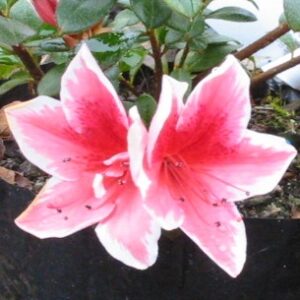
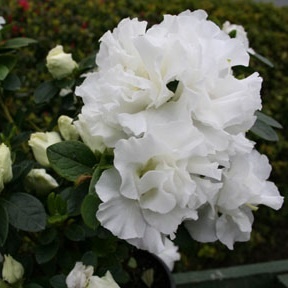
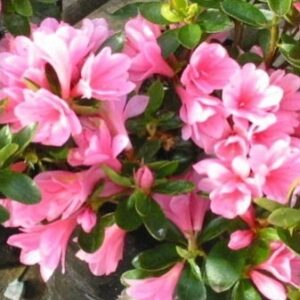
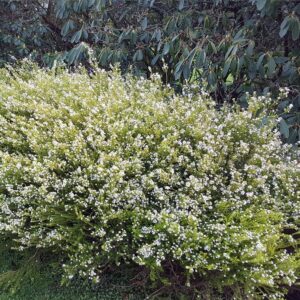
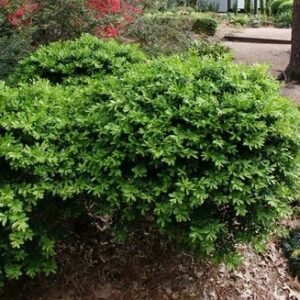
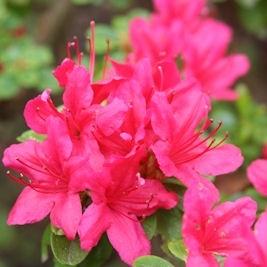
Azalea ‘Hinode-giri’, a cultivar of the evergreen azalea, is known for its abundant, vibrant cerise-pink flowers that bloom from late winter through early spring. This compact, hardy shrub offers a stunning display against its glossy, dark green foliage, which can turn bronze in winter. It’s a popular choice for various garden settings, including mixed borders, low hedges, and containers.

Payless Plants

Options - Unit and Grade

Key Characteristics:
  • Flowers: Produces numerous, single, cerise-pink, funnel-shaped flowers in late winter and early spring. 
  • Foliage: Evergreen, dark green leaves with bronze hues in winter, adding visual interest throughout the year. 
  • Size: Typically grows to 1-1.5 meters (3-5 feet) tall and wide. 
  • Hardiness: Tolerant of frost and cool climates. 
  • Growth Habit: An upright, compact shrub suitable for various garden styles. 
  • Sunlight: Prefers morning sun or dappled shade, but can tolerate full sun. 
  • Soil: Requires well-drained, acidic soil enriched with organic matter. 
  • Watering: Requires regular watering, particularly during establishment and dry periods. 
Uses in the Garden:
  • Mixed Borders: Adds a pop of color and texture to mixed plantings. 
  • Low Hedges: Can be pruned to create a dense, vibrant low hedge. 
  • Containers: Suitable for container gardening, adding a splash of color to patios and decks. 
  • Foundation Plantings: Provides a beautiful backdrop for house foundations. 
  • Japanese Gardens: Its compact size and delicate flowers make it well-suited for Japanese garden styles. 
  • Woodland Gardens: Its ability to thrive in partial shade makes it a good choice for woodland gardens. 

Last Updated on September 23, 2025 by admin

Loading

Cultivation Guide

Azalea ‘Hinode-giri’ thrives in partial shade with dappled morning sun, well-drained, acidic soil rich in organic matter, and regular watering, especially during establishment and dry periodsMulching with pine needles or acid compost helps maintain soil acidity and moisture, while light pruning after flowering encourages dense growth. 

Cultivation Details:
  • Sunlight:

    Prefers morning sun or dappled shade. 

  • Soil:

    Well-drained, acidic soil (pH 4.5 to 6.0) is essential, enriched with organic matter like compost or peat moss. 

  • Watering:

    Regular watering is crucial, particularly during the first year and during dry spells. 

  • Mulching:

    Mulch with pine needles or acid compost to maintain soil acidity and moisture. 

  • Pruning:

    Lightly prune after flowering to maintain shape and encourage dense growth. 

  • Fertilizing:

    Avoid lime fertilizer, which can stunt or kill the plant. 

  • Common Problems:

    Watch for fungal leaf spots, leaf and flower gall, root rot, and winter injury. 

Location Considerations:
  • Sheltered Sites: Protect from harsh frost and strong winds. 
  • Container Growing: Suitable for container growing and can be repotted every 3 years. 
  • Planting Locations: Excellent for borders, mixed plantings, under trees, or as garden edging. 

Last Updated on September 23, 2025 by admin
Loading

Grade

200-500mm, 200mm

Unit

2.5 Litre HP, 6 Litre HP

Annual Production

Up to 100

Supplier

Payless Plants

Comment

Available stock can vary, all the way down to none available, depending on sales demand and where we are in the production cycle.

Shopping Cart
Scroll to Top