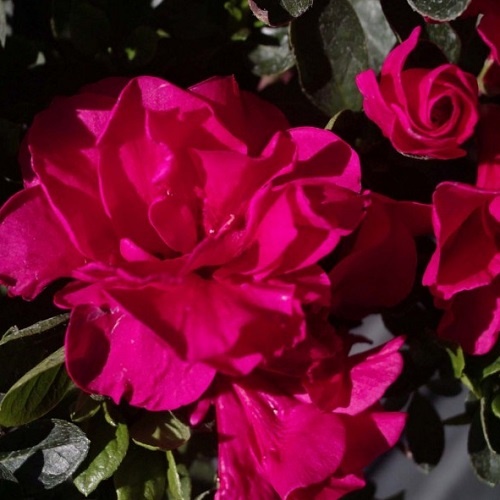
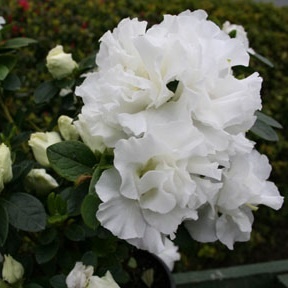
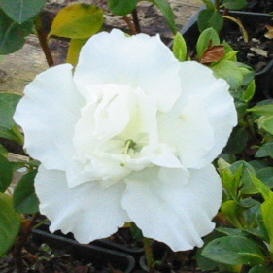
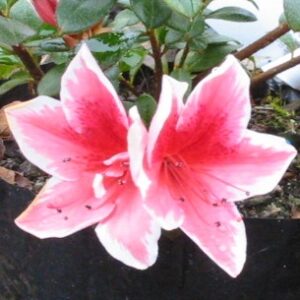
Azalea Mission Bells is a hardy evergreen shrub known for its profuse blooms of ruffled, semi-double, deep red flowers in spring. It typically grows to 60 cm tall and wide, preferring a semi-shade or well-drained, sheltered location with good soil moisture. It can also thrive in full sun, becoming more compact in that condition.
Flowers: Mission Bells produces masses of fragrant, semi-double, rose-red flowers.
Growth Habit: It’s a low, bushy shrub, reaching around 60 cm tall and wide.
Hardiness: It’s a hardy evergreen, tolerant of frost and cold environments.
Sunlight: Prefers semi-shade or full sun in a sheltered location.
Soil: Requires moist, well-drained, acidic soil.
Care: Avoid using lime when fertilizing, as it can stunt the plant.
Versatility: Suitable for container growing, planting under trees and shrubs, or anywhere a stunning plant is desired.
In summary: Azalea Mission Bells is a popular choice for its beautiful, profuse blooms and compact growth habit, making it a versatile addition to gardens in New Zealand.
o successfully cultivate Azalea Mission Bells, focus on providing the right conditions for this evergreen shrub, including well-drained, slightly acidic soil, partial shade, and regular watering. Prune lightly after flowering, maintain a layer of mulch, and avoid using lime in the soil.
Detailed Cultivation Tips:
Soil:
Azaleas thrive in moist, well-drained, acidic soil that is rich in organic matter. If your soil is alkaline, amend it with peat moss and milled cow manure. Consider using Yates Soil Acidifer Liquid Sulfur to further lower the pH.
Position:
Choose a location that provides partial shade, especially during the hottest parts of the day. Azaleas can tolerate full sun, but they will be more compact in that situation.
Watering:
Azaleas need regular watering, especially during dry periods, as they have shallow roots. Maintain a consistent moisture level in the soil.
Mulching:
Apply a layer of organic mulch, like old leaves, to protect the shallow roots from drying out and insulate them.
Fertilizing:
Apply a fertilizer specifically formulated for azaleas, rhododendrons, or camellias after flowering. Avoid using lime, which can harm these plants.
Pruning:
Prune lightly after flowering, typically in late spring or early summer. This will help maintain the plant’s shape and encourage new growth.
Pests and Diseases:
Keep an eye out for pests and diseases like aphids, spider mites, and leaf spot. Healthy plants are more resistant to problems, so maintaining proper care practices is crucial.
Planting:
Plant Azaleas in spring or fall. Dig a hole twice the width and depth of the root ball, mix in compost and fertilizer, and ensure the top of the root ball is level with the surrounding soil.
Container Growing:
If growing in containers, use a well-draining potting mix, like King’s Container Mix, which contains water storage crystals to help retain moisture.