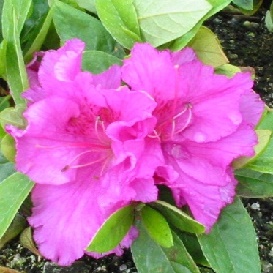
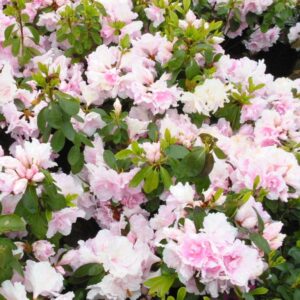
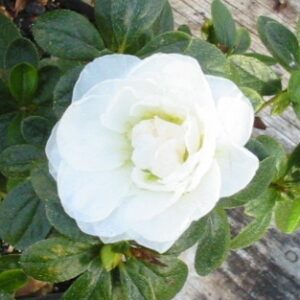
The Royal Robe Azalea is a dwarf, compact, evergreen shrub known for its low, rounded growth and vibrant, deep purple-red flowers. It thrives in partial shade, prefers acidic and well-drained soil, and is moderately hardy.
Azalea Royal Robe thrives in Pirongia with a preference for well-drained, acidic soil (pH 5.5-6.0). It enjoys partial shade and regular watering, especially during drier periods. Mulch around the base to retain moisture and protect roots.
Detailed Cultivation:
Soil:
Azaleas, including Royal Robe, need well-drained, acidic soil. They prefer a pH between 5.5 and 6.0. Adding organic matter like compost, peat moss, or pine bark can help acidify the soil and improve drainage.
Sunlight:
Royal Robe prefers partial shade, meaning it gets some direct sunlight but also has protection from the hottest part of the day. It can tolerate some full sun, especially in cooler climates, but may require more water in hotter areas.
Watering:
Keep the soil consistently moist, but not waterlogged. Avoid letting the soil dry out completely, especially during dry spells.
Mulching:
Apply a layer of organic mulch (like bark chips or pea straw) around the base of the plant, keeping it away from the trunk. This helps retain moisture, suppress weeds, and regulate soil temperature.
Planting:
Autumn or early spring are the best times to plant azaleas. Dig a hole twice as wide and as deep as the root ball. Gently tease the roots before planting, and backfill with amended soil.
Fertilizing:
Use a fertilizer specifically formulated for azaleas to provide the necessary nutrients, typically 1-2 times a year or every 1-2 weeks in containers.
Pruning:
Remove spent flowers to promote new growth and maintain the plant’s shape.
Pests and Diseases:
Azaleas can be susceptible to certain pests and diseases. Monitor for signs of problems and take appropriate action if needed.