
Payless Plants

Red Boronia, Kalgan Boronia

Boronia heterophylla

$12.00

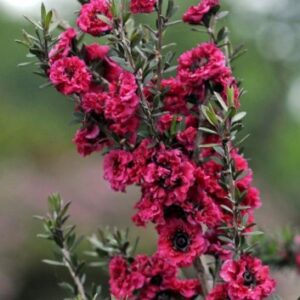
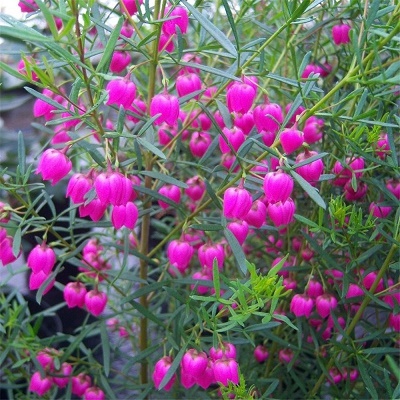
Boronia heterophylla, commonly known as Red Boronia, is an upright, bushy, evergreen shrub native to Western Australia, celebrated for its fragrant, reddish-pink, bell-shaped flowers that bloom in spring. It features fine, glossy green foliage that complements its vibrant blooms, emitting a pleasant citrusy aroma when brushed. This plant is relatively low-maintenance, thriving in well-drained, slightly acidic soil with partial shade, and prefers protection from strong winds.

Payless Plants
Detailed Description:
  • Appearance:

    Boronia heterophylla is an attractive shrub with a naturally upright and somewhat open form, typically reaching 1.5-2 meters in height and 1-1.2 meters in width. Its narrow, dark green leaves are leathery and contrast beautifully with the profusion of bright pink flowers. 

  • Flowers:

    The standout feature of this plant is its abundant, bell-shaped flowers, which are a striking reddish-pink color. They appear in spring and are slightly fragrant, making them a delightful addition to any garden. 

  • Foliage:

    The leaves are evergreen and contribute to the plant’s overall appeal, especially when contrasted with the vibrant flowers. 

  • Fragrance:
    Boronia heterophylla is known for its pleasant, citrusy fragrance, particularly noticeable when the foliage is brushed or disturbed.
    Garden Uses:
    Boronia heterophylla is well-suited for various garden styles, including native, cottage, and informal gardens. It can be used in mixed borders, near pathways to enjoy its fragrance, or as a low hedge or screen. 

Last Updated on September 23, 2025 by admin

Loading

Cultivation Guide

    • Light: It prefers dappled or partial shade, particularly in warmer climates where it can benefit from morning sun and afternoon shade. 
    • Soil: Well-drained, slightly acidic soil is essential for Boronia heterophylla. 
    • Watering: Consistent moisture is important, but avoid waterlogged conditions. 
    • Wind Protection: It should be protected from strong winds. 
    • Fertilizing: A low-phosphorus, slow-release fertilizer suitable for native plants can be applied in early spring. 
  • Maintenance:
    • Pruning: Light pruning after flowering helps maintain a compact, bushy shape and encourages new growth. 
    • Deadheading: While not always necessary, removing spent flowers can improve appearance and potentially encourage further blooming. 

Last Updated on September 23, 2025 by admin

Loading

Unit

3.5 litre HP

Grade

200-500mm

Annual Production

200

Supplier

Payless Plants

Comment

Available stock can vary, all the way down to none available, depending on sales demand and where we are in the production cycle.

Shopping Cart
Scroll to Top