

Payless Plants

Availability varies — please call or email to confirm.

Camellia sasanqua Setsugekka

$8.00$15.00

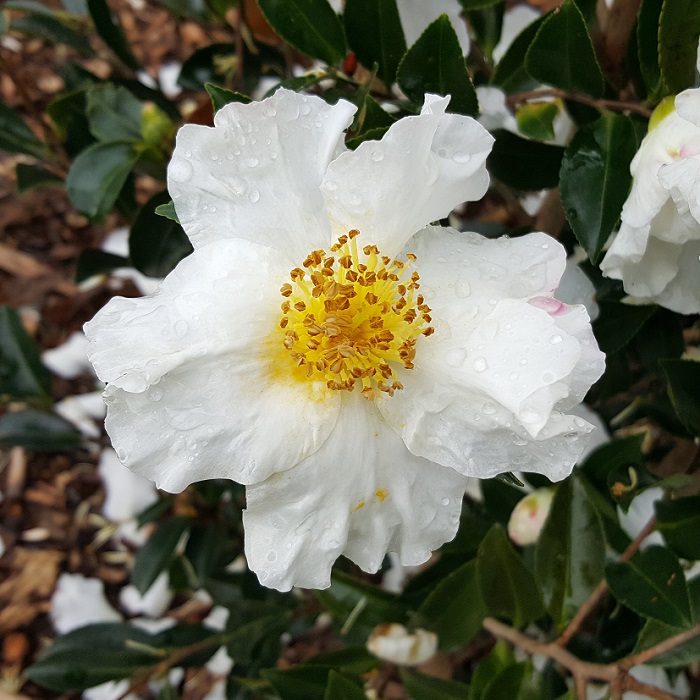
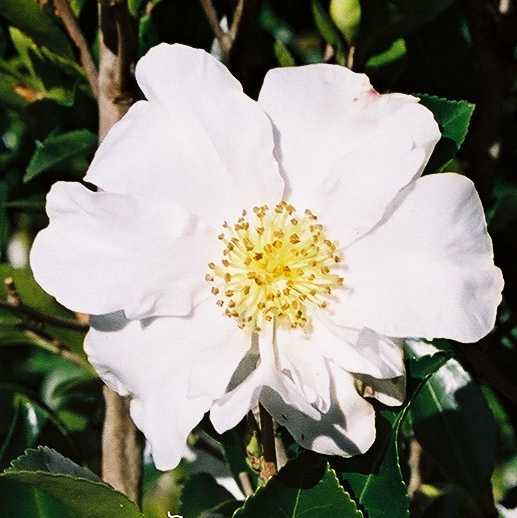
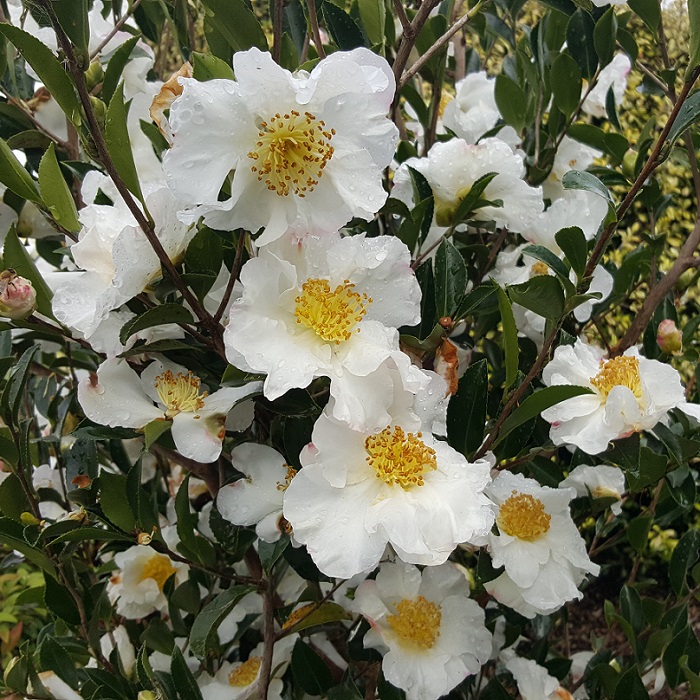
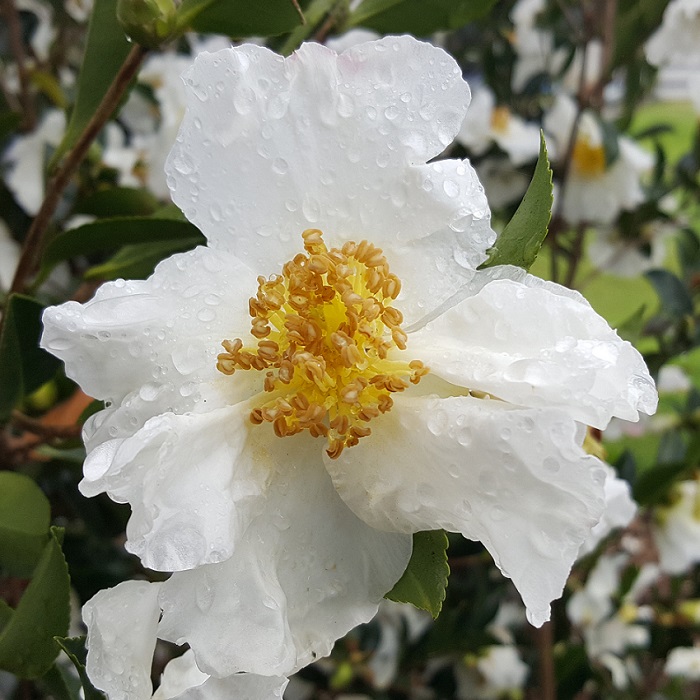
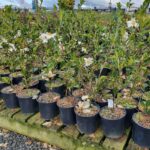
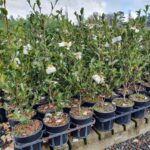
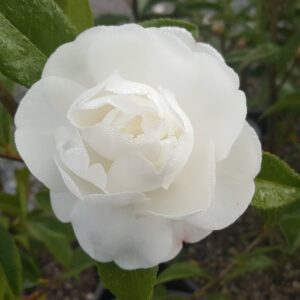
Camellia sasanqua ‘Setsugekka’ is a popular evergreen shrub known for its abundance of semi-double, white flowers with wavy, ruffled petals and a golden center. It blooms from late autumn to early winter and is vigorous, upright, and ideal for hedging, specimen plantings, or formal gardens.

Payless Plants

Options - Unit and Grade

1.5Litre HP, 500-800mm
3.5Litre HP, 800-1000mm
Large, pure white, semi-double of 8-12 incurved petals. Leaves deep green, a little weeping. Upright, fast grower. Early flowering. Hertrich, 1959, Camellias in the Huntington Gardens, vol.III, p.329, photo, p.326, description: Flower single, white with occasional tinge of Rhodamine pink 527/1 at apices, deepening on reverse, up to 10 cm broad. Petals 7-9, heavily undulate, variable in shape, firm, apices double notched, heavily crimped, light yellow anthers, greenish-white fila­ments. Leaves oblong-elliptic, medium to dark, semi-glossy green, 5-7 cm long x 2-3 cm wide, margins serrate-crenate, apices tapering. Originated in Japan by Jisuke Minagawa. Synonyms: ‘Fluted White����, ‘Wavy White’, ‘Elegant Friends’. Different readings: ‘Setsugekwa’, ‘Setsug­ekkwa’, ‘Setsugetsuka’, ‘Setsugetsekwa’, ‘Setsu Gekka’. International Camellia Society, 2023. Splendid Sasanquas, an International Ornament, p.26.
Key features of Camellia sasanqua ‘Setsugekka’:

Flower: White, semi-double flowers with ruffled petals and a bright yellow cluster of stamens in the center.

Foliage: Dark green, glossy leaves.

Growth Habit: Upright and vigorous, making it suitable for hedging.

Flowering Time: Late autumn to early winter.

Hardiness: Frost and wind tolerant.

Garden Uses: Ideal for hedges, specimen plantings, formal gardens, and white gardens.

Last Updated on June 29, 2026 by admin

Loading

Cultivation Guide

To successfully cultivate Camellia sasanqua ‘Setsugekka’, plant it in a location with sun to partial shade, preferably sheltered from wind, in well-draining, acidic soilEnsure the soil is moist but not waterlogged, especially during hotter months. Mulch to retain moisture and regulate soil temperature, and fertilize in early spring with a slow-release fertilizer formulated for acid-loving plants. 

Detailed Cultivation Tips:
  • Sunlight:

    ‘Setsugekka’ thrives in sun to partial shade, with protection from harsh afternoon sun and strong winds. 

  • Soil:

    Choose well-draining, slightly acidic soil with a pH between 5.5 and 6.5. Amending heavy or clay-like soil with organic matter like compost can improve drainage and soil structure. 

  • Planting:

    Dig a hole twice as wide as the pot, backfill with a mix of compost, sheep pellets, and your topsoil. Ensure the top of the root ball is level with the surrounding soil. 

  • Watering:

    Keep the soil consistently moist, especially during dry periods, but avoid overwatering. Water thoroughly after planting and apply mulch. 

  • Fertilizing:

    Fertilize in early spring with a slow-release fertilizer formulated for acid-loving plants. For an organic option, scatter sheep pellets around the roots and liquid feed every few months. 

  • Mulching:

    Apply a layer of mulch around the base of the plant to help retain moisture and regulate soil temperature. 

  • Pruning:

    Prune lightly after flowering to maintain shape and remove any dead or crowded branches. 

  • Pest and Disease Control:
    While ‘Setsugekka’ is relatively low maintenance, monitor for common camellia pests and diseases and address them promptly. 

Last Updated on June 29, 2026 by admin
Loading

Grade

500-800mm, 800mm-1m

Unit

1.5 litre pot, 3.5 litre HP

Annual Production

1500

Supplier

Payless Plants

Comment

Available stock can vary, all the way down to none available, depending on sales demand and where we are in the production cycle.

Shopping Cart
Scroll to Top