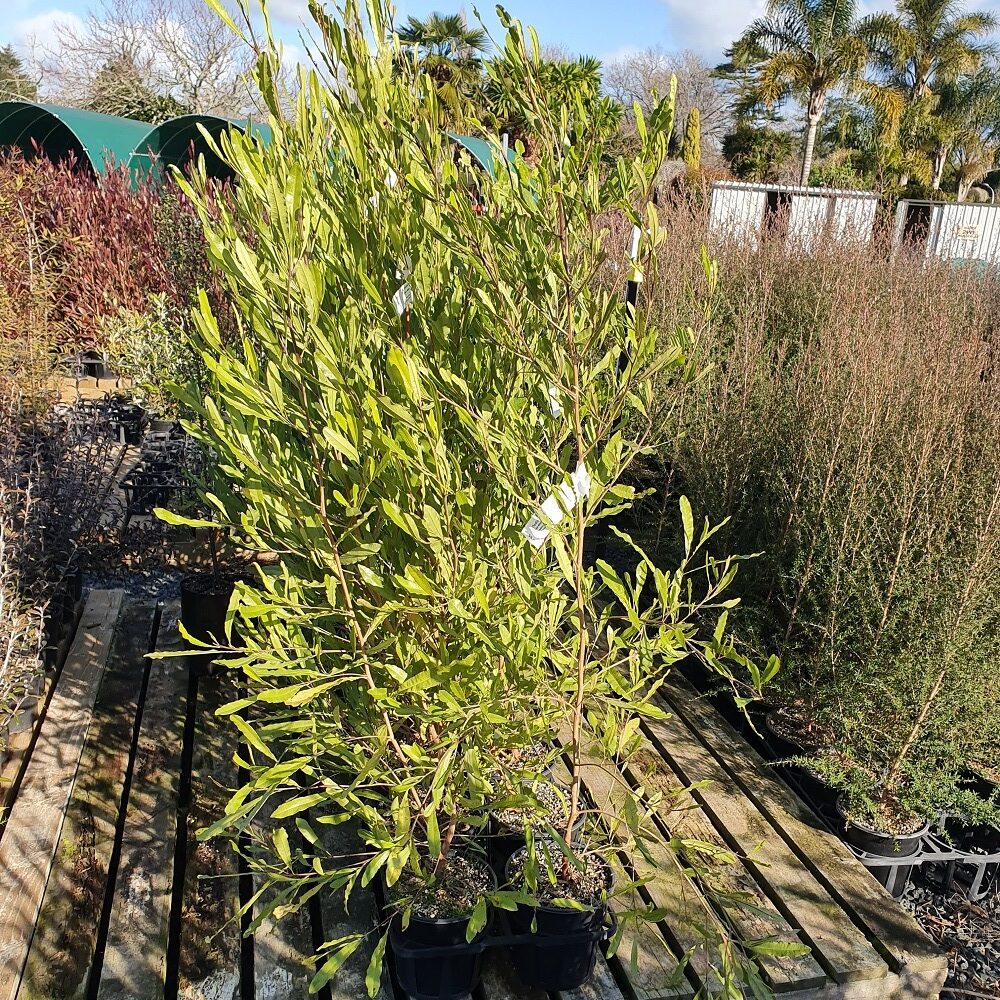
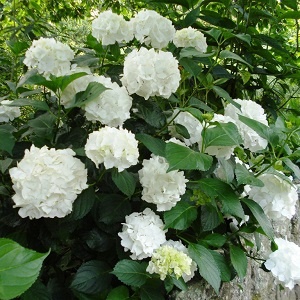
- Foliage: The leaves are long, narrow, and slightly waved with a solid green color.
- Growth: It’s a fast-growing, upright shrub or small tree, reaching up to 4 meters in height.
- Flowering: It produces small, pink flowers from late winter to mid-summer.
- Versatility: It’s a popular choice for hedges, screens, and adding color to landscapes.
- Hardiness: It’s a tough plant, tolerant of coastal conditions, drought, and sub-zero temperatures.
Last Updated on February 14, 2026 by admin

Cultivation Guide
- Sunlight: Full sun is ideal for the best color development.
- Soil: Prefers well-drained soil, but can tolerate various soil types.
- Watering: Once established, it’s drought-tolerant, but young plants need regular watering, especially in hot weather.
- Fertilizing: Spring is a good time to fertilize with a native plant or organic fertilizer.
- Pruning: Can be pruned to maintain its shape or to encourage bushy growth.
- Frost: Frost tender, so young plants need protection from frost.
- Propagation: Can be propagated from seed or semi-hardwood cuttings.
- Pests and Diseases: Generally disease-free, but may be susceptible to pests like red spider mites or whitefly under glass.
Specifics for ‘Purpurea’:
- Leaf Color: The ‘Purpurea’ cultivar is known for its purple-bronze leaves, which are particularly vibrant in full sun.
- Size: Reaches a height of about 3-4 meters.
- Uses: Can be used as a hedge, windbreak, or decorative shrub.
- Hardiness: Tolerates coastal winds and some dryness, but young plants need shelter from frost.
Last Updated on February 14, 2026 by admin