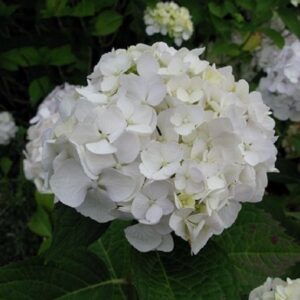
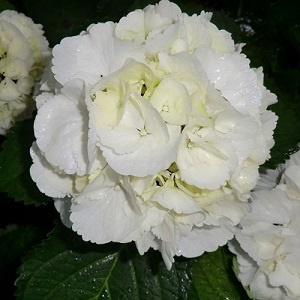
Hydrangea paniculata ‘Limelight’ is a popular deciduous shrub known for its large, cone-shaped flower heads that transition from vibrant lime green to creamy white, then to shades of pink and burgundy throughout the season. It’s prized for its long-lasting bloom, robust growth, and suitability for both fresh and dried floral arrangements.
Flower Color: The flowers start as lime-green, gradually transitioning to cream, and then to shades of pink and burgundy as the season progresses.
Growth Habit: ‘Limelight’ is a robust, upright shrub that typically reaches a height and width of 1.5 to 2 meters.
Blooming Time: It blooms from late summer into autumn.
Versatility: It can be used as a hedge, in flower beds, or as a specimen plant.
Care: It thrives in full sun to partial shade with moist, well-drained soil.
Hardiness: It is a hardy shrub, able to withstand winter temperatures.
Pruning: Pruning can be done in late winter or early spring to maintain shape and encourage larger flower heads.
In summary, Hydrangea paniculata ‘Limelight’ is a showy and versatile shrub that adds color and interest to gardens with its large, cone-shaped flowers that change color throughout the season.
Hydrangea paniculata Limelight thrives with proper care and attention to its needs. It requires a sheltered spot with full sun to partial shade, well-drained soil, consistent moisture, and regular pruning.
Key aspects of Limelight Hydrangea cultivation:
Sunlight:
Full sun to partial shade is ideal, although very hot climates may benefit from avoiding full sun positions.
Soil:
Well-drained, fertile soil with added organic matter (like compost) is crucial.
Watering:
Consistent watering, especially during dry periods, is essential to maintain moist soil, but avoid overwatering to prevent root rot.
Fertilizing:
Applying shrub fertilizer in spring will keep the plant well-nourished.
Pruning:
Annual pruning in late winter or early spring encourages vigorous growth and blooms. Remove any dead or broken branches and cut healthy stems back by about one-third.
Mulching:
Mulching helps retain moisture, regulate soil temperature, and suppress weeds.
Pest and Disease Control:
Monitor for pests like aphids and diseases like powdery mildew, and treat as needed.