
Payless Plants

Michaelia gracipes

$8.00

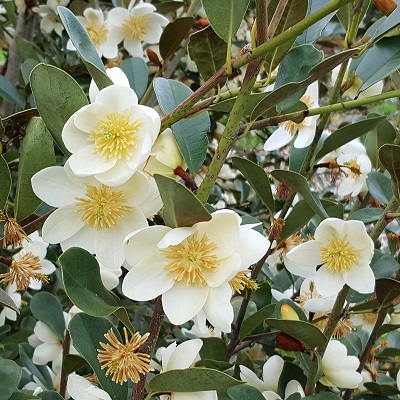
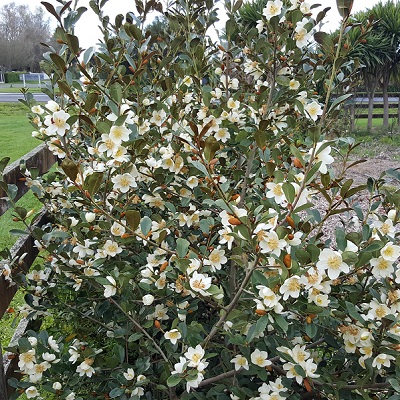
Michelia gracipes is an evergreen shrub or small tree known for its glossy, dark green leaves and fragrant, cream-white flowers. It’s a popular choice for hedges, specimen plants, or topiary and thrives in full sun to partial shade in well-drained soil.

Payless Plants
Detailed Description:
  • Size and Shape:

    Michelia gracipes typically grows to a height of 4 meters and a spread of 3 meters. Its growth habit is generally upright and compact, making it well-suited for smaller gardens. 

  • Foliage:

    The leaves are glossy, dark green, and leathery, providing year-round color and texture. 

  • Flowers:

    The plant produces abundant, fragrant, cream-white flowers in late winter and early spring, often with a subtle, warm scent. 

  • Flowering Time:

    The flowering period typically lasts from late winter to early spring, with some flowers occasionally appearing throughout the summer. 

  • Growth Habit:

    It’s a relatively slow-growing plant, making it suitable for smaller spaces or as a hedge. 

  • Hardiness:

    Michelia gracipes is a hardy plant that tolerates frost and coastal conditions. 

  • Uses:

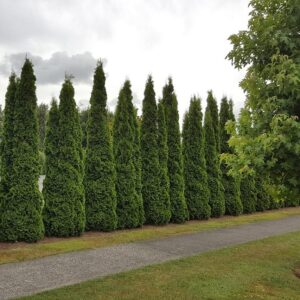
    It can be used as a hedge, specimen plant, or pruned into topiary shapes. It’s also well-suited for containers. 

  • Soil and Light Requirements:

    It thrives in well-drained soil and prefers full sun to partial shade. 

  • Pruning:

    After flowering, trimming or pruning can be done to maintain shape and size. 

  • Maintenance:

    Michelia gracipes is generally low-maintenance, requiring minimal pruning and watering once established. 

  • Ecological Significance:
    Michelia gracipes, like other Michelia species, can provide habitat and food for birds and insects. 

Last Updated on September 23, 2025 by admin

Loading

Cultivation Guide

Michelia gracipes is a beautiful evergreen shrub or small tree, thriving in full sun to partial shade and well-drained soilIt prefers moist, fertile conditions with added organic matter. Pruning is best done after flowering in late winter/early spring. 

Detailed Cultivation:
  • Position: Full sun to partial shade, especially in hotter climates to prevent leaf scorch. 
  • Soil: Moist but well-drained soil rich in humus. Consider adding compost and sheep pellets to improve organic matter and drainage. 
  • Watering: Regular watering, especially during dry periods, is beneficial. 
  • Fertilizing: Feed with tree fertilizer in early spring before new growth begins. 
  • Pruning: Prune after flowering, typically in late winter to early spring, to avoid removing the current season’s blooms. 
  • Pest and Disease: Generally pest and disease-free, but keep an eye out for scale insects and treat if necessary. 
  • Frost: Young plants may need protection from frost in colder regions, and shelter is recommended for cold, drying winds. 
  • Mulching: Mulching is beneficial for moisture retention and weed control. 

Last Updated on September 23, 2025 by admin
Loading

Unit

2.5 Litre HP

Grade

500-800mm

Annual Production

200

Supplier

Payless Plants

Comment

Available stock can vary, all the way down to none available, depending on sales demand and where we are in the production cycle.

Shopping Cart
Scroll to Top