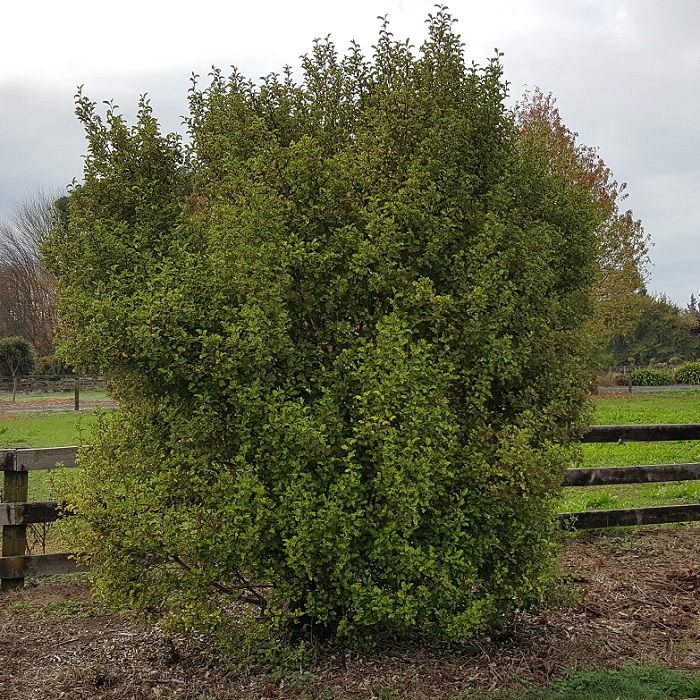
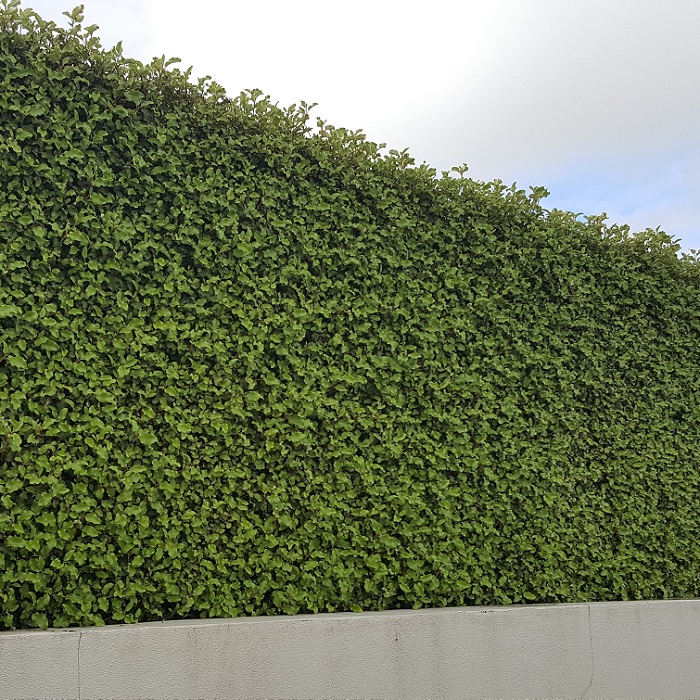
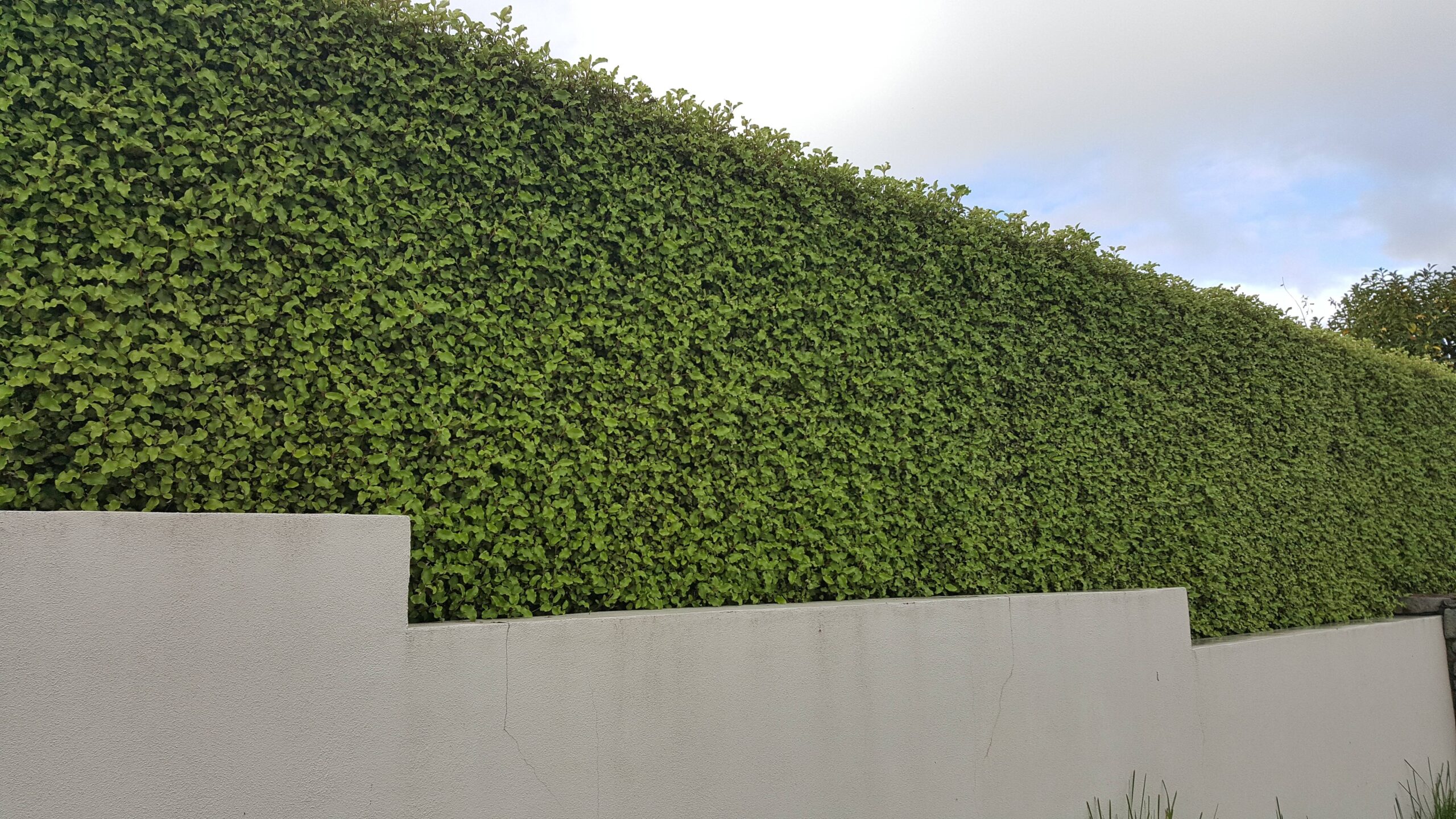
Olearia paniculata, commonly known as Akiraho or Golden Ake Ake, is a New Zealand native evergreen shrub or small tree. It’s known for its hardiness, dense growth, and attractive, wavy, olive-green leaves with a white underside. In autumn, it produces fragrant, white, daisy-like flowers, making it a valuable addition to gardens and coastal landscapes. Akiraho is a popular hedge plant in New Zealand.
Olearia paniculata has a dense, rounded habit with leathery, yellowish-green leaves that are often wavy or crinkled. The undersides of the leaves are typically covered in soft, white or buff-colored hairs.
Size:
It can grow up to 6 meters tall and 2 meters wide, though it’s often smaller, especially when used as a hedge.
Flowers:
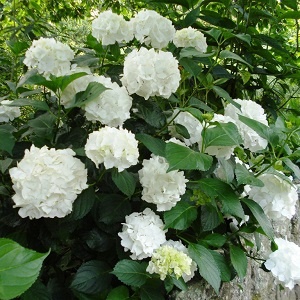
Fragrant, white, daisy-like flowers appear in clusters in autumn, attracting bees and other pollinators.
Hardiness:
Akiraho is very hardy, tolerating coastal conditions, wind, and moderate frosts, making it suitable for exposed sites.
Growth:
It prefers full sun and well-drained soil. It is a relatively fast grower and is often used for hedging and screening.
Uses:
Akiraho is popular for coastal plantings, windbreaks, and as a hedging plant. It’s also used in revegetation projects and can be a good choice for wildlife gardens.
Habitat:
In its natural habitat, Olearia paniculata is found in mature and regenerating forests on the east coast of New Zealand’s North and South Islands.
Olearia paniculata, also known as akiraho, is a New Zealand native shrub that thrives in well-drained, sunny locations, especially in coastal and exposed sites. It is a hardy plant, tolerant of dry conditions, wind, and moderate frosts, but it cannot tolerate wet or poorly drained soils.
Cultivation Details:
Sunlight: Prefers full sun to partial shade.
Soil: Requires well-draining soil. Adding coarse sand, bark, compost, or other organic material can improve soil structure and drainage, especially on clay soils.
Watering: Young plants need regular watering until established, especially during dry periods. Mulching helps conserve moisture and suppress weeds.
Fertilizing: Moderate watering and monthly feeding during growth are recommended.
Pruning: Generally pest and disease-free, it requires minimal pruning. Pruning can be done in late winter to early spring to maintain shape and encourage growth, according to gardening resources.
Spacing: For hedging, plant 80cm-1m apart. For shelter belts, space them 1.5-2m apart.
Coastal Tolerance: Highly tolerant of coastal conditions.
Pest and Disease Resistance: Generally pest and disease-free.