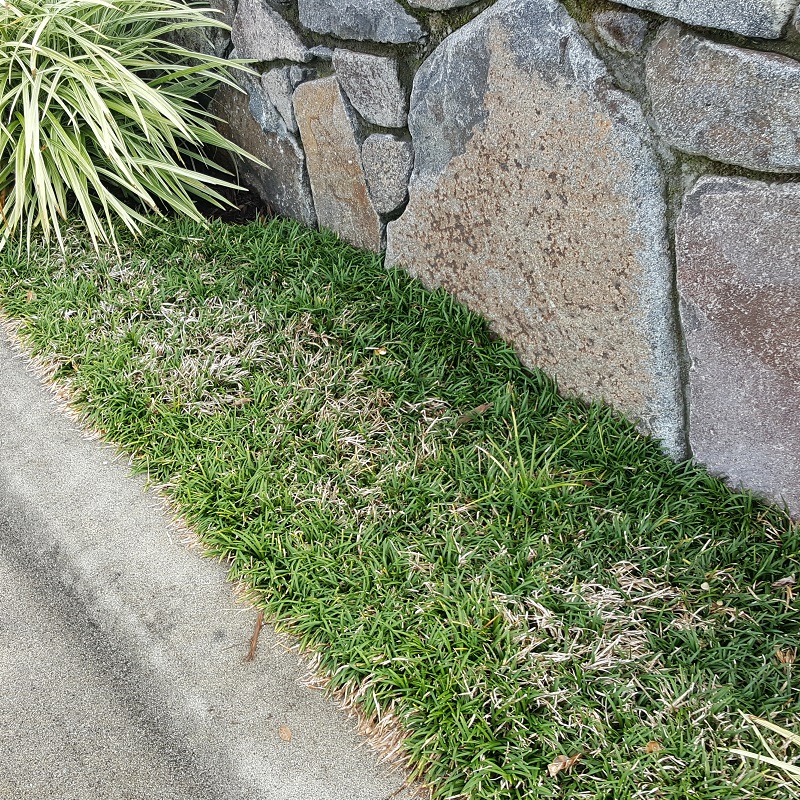
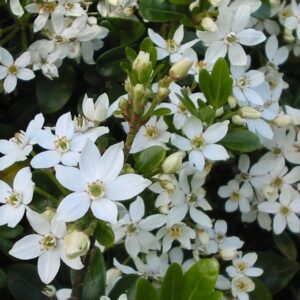
Ophiopogon japonicus ‘Nana’, commonly known as Dwarf Mondo Grass, is a miniature, evergreen, clump-forming plant that spreads to create a dense, dark green carpet. It’s characterized by its narrow, strappy leaves and produces lilac flowers followed by blue berries. This hardy and low-maintenance plant thrives in part to full shade but can tolerate full sun. It’s a popular choice for garden edging, ground cover, and underplanting shrubs or containers.
‘Nana’ is a dwarf variety of Mondo Grass, recognized for its compact size and attractive, dark green foliage. The leaves are narrow and arching, creating a dense, textured ground cover.
Flowers and Berries:
In summer, it produces spikes of pale mauve or lilac flowers, which are followed by ornamental blue-black berries.
Growth Habit:
It forms clumps that expand over time, creating a lush, carpet-like appearance. The growth rate is slow, and it may take several years to fully establish in larger areas.
Hardiness and Maintenance:
Ophiopogon japonicus ‘Nana’ is known for its hardiness and low maintenance requirements. It’s adaptable to various conditions and can tolerate full sun or part shade.
Soil Preferences:
Well-drained soil rich in compost is ideal.
Landscape Uses:
It’s a versatile plant, suitable for various garden settings, including:
Garden edging
Ground cover
Underplanting shrubs
Rock gardens
Between pavers
Container planting
Borders
Potential Issues:
Monitor for slugs, as they can be a potential pest. It’s also not recommended for high-traffic areas.
Ophiopogon japonicus Nana, also known as Dwarf Mondo Grass, is a hardy, low-maintenance plant that thrives in full sun to part shade. It prefers well-drained soil and benefits from a layer of mulch after planting. This plant is known for its dark green, strappy foliage and ability to form a dense carpet, making it ideal for groundcover, borders, or underplanting.
Cultivation:
Sunlight: Full sun to part shade.
Soil: Well-drained soil that doesn’t become waterlogged is crucial.
Watering: Water deeply after planting and apply mulch. They can tolerate drought once established, especially in shadier spots, but prefer consistently moist soil.
Fertilizing: Feed in spring with a general fertilizer.
Mulching: Apply organic mulch after planting to retain moisture and suppress weeds.
Dividing: Divide the plants every few years in spring to rejuvenate them.
Pruning: Remove any dead or unsightly leaves in early spring.
Pests and Diseases: Generally pest and disease-free, but monitor for slugs, mealybugs, and scale insects.
Uses:
Groundcover: Excellent for creating a dense, low-maintenance carpet of green.
Borders: Use it to edge pathways or garden beds.
Underplanting: Plant under shrubs or trees for textural contrast.
Rock Gardens: Their compact size makes them suitable for rock gardens.
Containers: Can be grown in pots or containers.
Inter-paving: Can be planted between pavers or stepping stones.
Additional Tips:
When planting in mass, consider a staggered grid pattern with 4-inch spacing.
For a new lawn, planting 150mm (6 inches) apart in a staggered pattern is recommended.
Dwarf Mondo Grass can tolerate moderate foot traffic once established.
Be mindful of high-traffic areas as the plant can be slow to establish.