
Payless Plants

syn: NZ Ribbonwood, Plagianthus regius, manatu

Plagianthus betulinus

$12.00

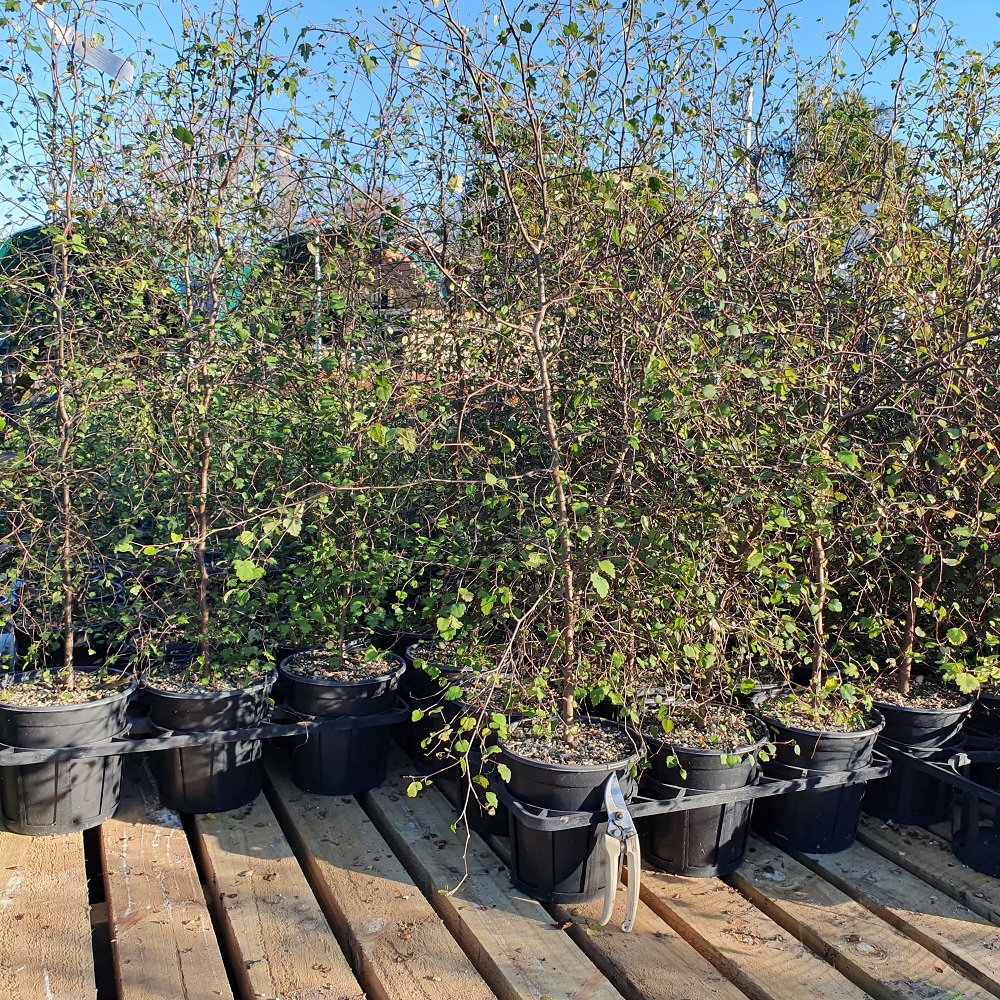
Plagianthus betulinus, commonly known as ribbonwood or manatu, is a New Zealand native tree known for its distinctive peeling bark and graceful form. It’s a fast-growing, semi-deciduous tree that can reach a height of 5-10 meters and a similar width. The juvenile form features interlacing branches and small, rounded leaves, while the mature form develops larger, ovate to ovate-lanceolate leaves. It’s a versatile tree, suitable for various environments, including coastal and lowland areas, and is often found in alluvial forest.

Payless Plants
Detailed Description:
  • Juvenile Form:

    Young ribbonwood trees exhibit a divaricating growth habit, with interlacing branches and small, rounded leaves. 

  • Mature Form:

    As the tree matures, it develops a more rounded, open crown and larger, toothed leaves, often reminiscent of a birch tree. 

  • Bark:

    The bark is a notable feature, peeling off in thin, lace-like strips. 

  • Flowers:

    Ribbonwood produces small, yellowish-white flowers in large, terminal panicles in mid-spring. The flowers are typically unisexual, with male and female flowers on separate trees, though some trees may have a few bisexual flowers. 

  • Fruit:

    The fruit is a small, ovoid, creamy-colored, single-seeded capsule that splits open upon maturity. 

  • Habitat:

    Ribbonwood is found in lowland and coastal forests throughout New Zealand, often in areas with well-drained soil. 

  • Ecological Role:

    It’s a valuable component of native ecosystems, providing habitat and food for various species. 

  • Cultivation:

    Ribbonwood is relatively easy to grow, tolerating a range of conditions, including full sun and some shade, and is known for its wind tolerance. It thrives in well-drained, fertile soil. 

  • Uses:
    The strong, flax-like fiber from the bark was historically used for tying, and the tree is also valued for its ornamental qualities and ability to provide shelter. 

Last Updated on September 23, 2025 by admin

Loading

Cultivation Guide

Plagianthus betulinus, also known as ribbonwood or lowland ribbonwood, is a native New Zealand tree that can be cultivated in various settings. It thrives in well-drained soil with full to partial sun and prefers fertile, moist conditionsThis species is relatively easy to grow from fresh seed and is known for its rapid early growth, making it suitable for shelterbelts and revegetation projects. 

Cultivation Details:
  • Sunlight: Full to partial sun is ideal. 
  • Soil: Prefers well-drained, fertile soil, but can tolerate most conditions. Avoid poorly drained or peaty soils. 
  • Watering: Regular watering is needed, especially during establishment. 
  • Growth Rate: Plagianthus betulinus is known for its rapid early growth. 
  • Mature Size: Can reach 12 meters in height. 
  • Wind Tolerance: Very tough and can withstand strong winds. 
  • Pruning: Can be pruned to maintain size and shape. 
  • Uses: Suitable for shelterbelts, windbreaks, screening, and mixed native revegetation projects. 
  • Wildlife: Supports local wildlife and biodiversity. 
  • Flowering: Flowers from September to November. 

Last Updated on September 23, 2025 by admin
Loading

Unit

3.5 litre HP

Grade

1-1.5m

Annual Production

200

Supplier

Payless Plants

Comment

Available stock can vary, all the way down to none available, depending on sales demand and where we are in the production cycle.

Shopping Cart
Scroll to Top