syn: Golden Robinia, Yellow False Acacia, and Black Locust 'Frisia.
Robinia pseudoacacia Frisia
$50.00
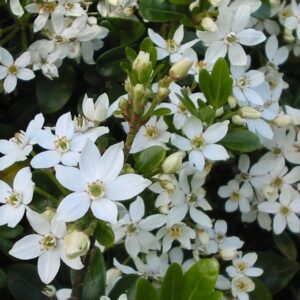
Robinia pseudoacacia ‘Frisia’, commonly known as Golden Robinia or Yellow Locust, is a cultivar of the black locust tree prized for its striking yellow foliage. It’s a medium-sized, deciduous tree characterized by its bright yellow, compound leaves that retain their color well into the autumn. The tree also produces fragrant, white, pea-like flowers in early summer, followed by reddish-brown seed pods.
Robinia pseudoacacia ‘Frisia’ is a cultivar of the black locust (Robinia pseudoacacia), a tree native to North America. It’s distinguished by its vibrant yellow leaves, which emerge in spring and maintain their golden hue until leaf drop in the fall. The tree typically forms a neat, rounded head on a sturdy trunk. It can reach a height of 12-15 meters. ‘Frisia’ is known for its tolerance of heat, drought, and pollution, making it a popular choice for urban environments. It can sometimes produce fragrant, white, pea-like flowers in early summer, adding to its ornamental appeal.
Light: Prefers full sun for optimal foliage color.
Soil: Adaptable to most soil types, but prefers moist, well-drained conditions.
Hardiness: Hardy and suitable for a range of climates, including coastal conditions.
Watering: Tolerant of drought once established.
Pruning: Tip prune and train to a single leader when young (in summer). Remove any suckers or growth below the graft.
Pests and Diseases: Susceptible to locust borer and locust leaf miner. Also may be affected by other insects like caterpillars, weevils, scales, and whiteflies. Possible disease problems include canker, powdery mildew, leaf spots, wood rots, and verticillium wilt.
Uses: Ideal as a specimen tree, shade tree, or accent plant. Its bright yellow foliage provides year-round interest.