
Payless Plants

syn: African Iris, Fortnight Lily, Yellow Wild Iris

Dietes Bicolor

$8.00

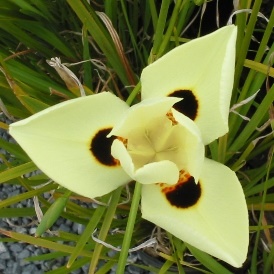
Dietes bicolor, commonly known as African Iris, Fortnight Lily, or Yellow Wild Iris, is a clumping, rhizomatous perennial with long, sword-like, pale green leaves. It’s known for its attractive, iris-like flowers that are pale yellow with dark brown or purple spots, often with an orange outline. These flowers, though short-lived, appear continuously from spring to summer. Dietes bicolor is a hardy plant, tolerating coastal conditions, drought, and light frosts once established.

Payless Plants
Detailed Description:
  • Foliage:

    The plant features long, rigid, sword-shaped leaves that are pale green and can reach up to 1 meter in length. The leaves grow in a fan shape from the base of the plant. 

  • Flowers:

    Dietes bicolor produces striking, iris-like flowers that are pale yellow with dark brown or purple spots, often surrounded by an orange outline. Each flower lasts for only a day, but the plant produces a continuous display of blooms throughout the spring and summer months. 

  • Growth Habit:

    It forms a dense clump of foliage with multiple fans at the base. This clump can grow quite large if left undisturbed for several years. 

  • Climate and Soil:

    Dietes bicolor thrives in full sun to part shade and prefers well-drained, humus-rich soil. It is drought-tolerant, wind-tolerant, and relatively pest and disease-free, making it a popular choice for landscaping. It can tolerate light frosts once established. 

  • Origin and Distribution:

    Native to South Africa, Dietes bicolor is also cultivated in other mild temperate zones. It is a member of the Iridaceae (iris) family. 

  • Uses:
    It is widely used in landscaping, particularly for mass planting on banks and slopes, and is known for its ability to stabilize soil. It is also used in public gardens, for beautifying commercial areas, and along roadsides. 

Last Updated on September 23, 2025 by admin

Loading

Cultivation Guide

Dietes bicolor, also known as African iris, thrives in well-drained soil and prefers full sun to partial shadeIt’s relatively low-maintenance, tolerating drought and even coastal conditions once established. For optimal growth, enrich the soil with organic matter like compost, and consider adding a balanced fertilizer in spring. Watering is important, especially in the first year, but avoid overwatering to prevent root rot. 

Cultivation Details:
  • Sunlight: Full sun to partial shade.
  • Soil: Well-drained soil is crucial; amend with compost for fertility.
  • Watering: Water regularly, especially when first planted, but avoid overwatering.
  • Fertilizing: Apply a balanced fertilizer in spring.
  • Pruning: Remove spent leaves in autumn or winter.
  • Pest and Disease: Generally pest and disease-free, but watch for mealybugs.
  • Hardiness: Tolerant of frost, coastal conditions, and some wind.
  • Flowering: Blooms from late spring to early summer, with flowers appearing in succession on stems. 

Last Updated on September 23, 2025 by admin

Loading

Unit

2.5 Litre HP

Grade

200-500mm

Annual Production

200

Supplier

Payless Plants

Comment

Available stock can vary, all the way down to none available, depending on sales demand and where we are in the production cycle.

Shopping Cart
Scroll to Top