syn: Asian pear Japanese pear Apple pear Sand pear Chinese pear Korean pear
Nashi Hosui
$50.00
The Hosui nashi (Asian pear) is a popular, late-summer variety known for its exceptionally sweet and juicy, golden-brown fruit. The name “Hosui” translates from Japanese to “much water” or “abundant juice,” which perfectly describes its key characteristic.
The Hosui is a vigorous, deciduous tree that produces a high yield of delicious, crisp fruit. It was developed in Japan in the 1970s and is a favorite variety in its native country and elsewhere.
Fruit characteristics:
Appearance: Large and round with russeted, golden-brown skin and a moderate amount of small white lenticels (spots).
Texture: Fine-grained, firm, and exceptionally juicy.
Flavor: Rich, sweet, and balanced with a hint of acidity. Some describe a brandy-like undertone.
Ripening: Matures in mid-to-late summer.
Storage: Stores well for several months under proper cool, dark conditions.
Tree characteristics:
Growth habit: Vigorous when young, maturing to a more moderate growth rate with an open, spreading, and sometimes weeping canopy.
Size: Can reach a mature height of 5–6 meters.
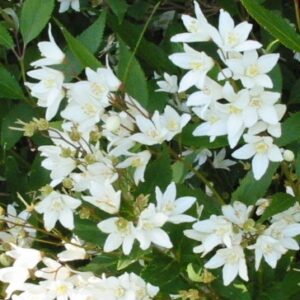
Ornamental value: Provides multi-season interest with delicate white blossoms in early spring, glossy green summer foliage that turns a brilliant red in autumn, and attractive, golden fruit in late summer.
Cold hardiness: Requires a moderate amount of winter chilling hours and is frost tolerant once established.
The Hosui nashi tree is relatively easy to grow and will reward you with a bountiful harvest with proper care.
Planting:
Site: Choose a sunny, sheltered location with full sun for at least six to eight hours per day.
Soil: Plant in fertile, well-draining soil with a slightly acidic to neutral pH (6.0–7.5).
Pollination: While partially self-fertile, planting a compatible pollinator nearby, such as Nijiseiki, Kosui, or Shinko, will significantly increase fruit production and size.
Ongoing care:
Watering: Water regularly and deeply, especially during the early stages of growth and during fruit development. Mature trees are somewhat drought-tolerant but perform best with consistent watering.
Mulching: Apply a layer of organic mulch around the tree’s root zone to help retain soil moisture and suppress weeds.
Pruning: Prune annually during the winter dormancy period to remove dead or diseased wood, maintain the tree’s shape, and thin out branches to improve light penetration and air circulation.
Thinning: To promote larger, healthier fruit, thin the developing fruit in spring. Wait until after the blossoms have dropped and then thin each cluster to just one or two fruits.
Pest and disease control: While Hosui has some resistance to fire blight, it can be susceptible to other common pear issues. A preventative spray program, including dormant season oil and copper sprays, can help manage pests and diseases.